Training your dog effectively requires you to probe canine body language, which serves as a key indicator of their emotions and intentions. By recognizing positive signals like wagging tails and relaxed ears, you can foster a cooperative training environment. Conversely, understanding stress signals, such as tucked tails and avoidance behaviors, can help you prevent negative experiences that may hinder your dog’s progress. This guide will equip you with the knowledge to interpret your dog’s non-verbal cues, enhancing both your training sessions and your bond.
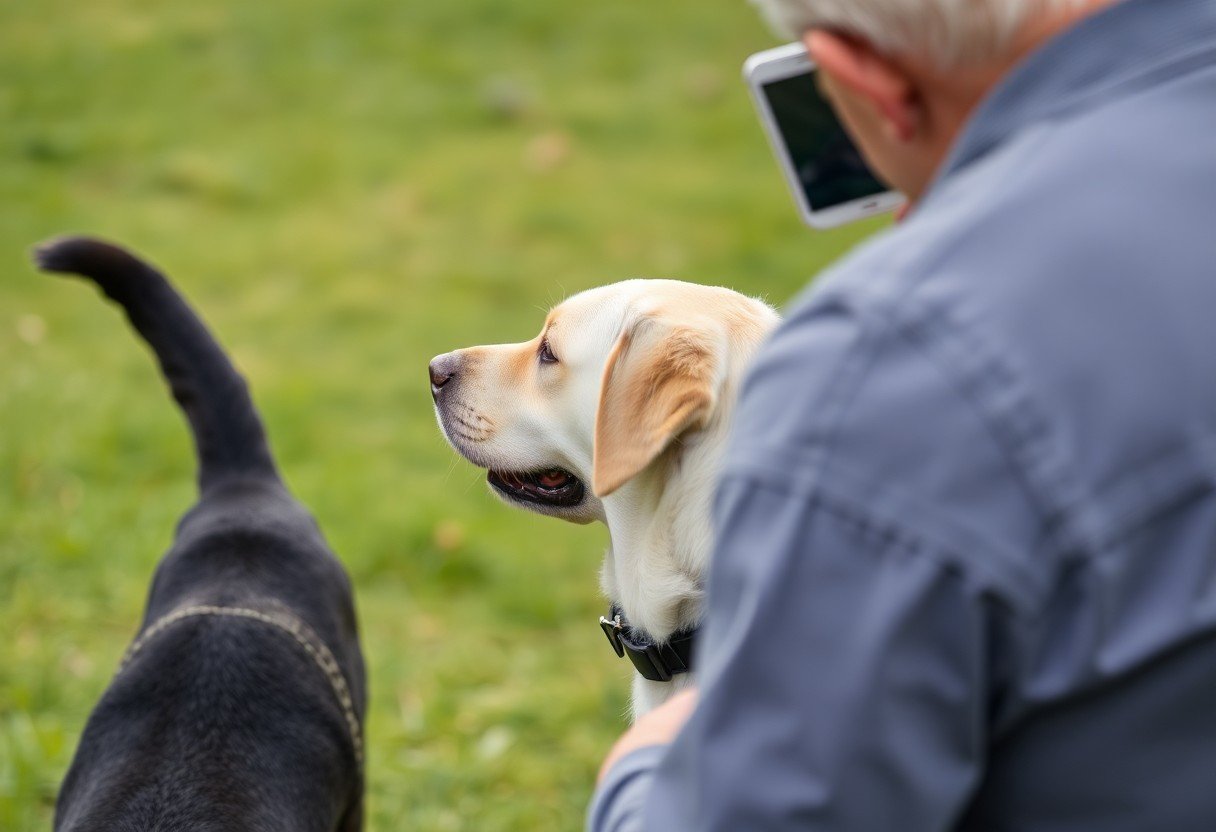
Key Takeaways:
- Obvious signs of stress in dogs include yawning, lip licking, and avoiding eye contact.
- Positive body language, such as relaxed tails and open posture, indicates a dog is comfortable and receptive to training.
- Pay attention to changes in body language as they can signal the dog’s emotional state and readiness to learn.
Understanding Canine Body Language
The Importance of Body Language
Canine body language is an crucial aspect of training that can greatly influence your success. As dogs communicate primarily through their movements and posture, recognizing these signals allows you to adjust your training methods effectively. By interpreting their body language, you can identify when your dog is engaged, stressed, or confused, ultimately fostering a more productive training environment.
Furthermore, understanding these non-verbal cues helps build a stronger bond between you and your dog. A dog that feels understood and respected is more likely to respond positively to your commands and become a more obedient companion. This mutual trust not only enhances training sessions but also contributes to a happier and healthier relationship.
Key Signs of Canine Emotions
Several indicators reveal your dog’s emotional state. For instance, a dog that is happy and confident often exhibits a relaxed posture, open mouth, and gentle, wagging tail. Conversely, a dog that feels threatened may lower its body, tuck its tail, or growl. Recognizing these signs allows you to gauge how your dog is feeling and tailor your approach during training sessions.
Additionally, be attentive to less obvious signals, such as ears position and eye contact. Erect ears may indicate curiosity or alertness, while ears pinned back can signal fear or anxiety. Monitoring these nuanced details enhances your ability to respond appropriately to your dog’s needs and emotional state.
In practice, during a training session, if your dog exhibits signs of anxiety, such as yawning or lip licking, it may signal that the current pace is too fast. Adjusting your approach can mean the difference between successful learning and further stress.
Reading the Tail: What It Communicates
Your dog’s tail is one of the most expressive parts of its body and can convey a wide range of emotions. A wagging tail typically signifies excitement and happiness, especially when it remains high and lively. However, the tail’s position also provides insight; a tail held low or tucked between the legs often indicates fear or submission. Understanding these distinctions is vital for interpreting your dog’s emotional state.
Conversely, a tail that is held horizontally and wagged slowly can signal uncertainty or agitation. Tail height and movement speed are also critical; higher, fast wagging usually denotes joy, while low, slow movement might point to a more relaxed mood. By observing your dog’s tail behavior, you can better gauge how they are feeling during training sessions.
Understanding Facial Expressions
Facial expressions offer significant insights into canine emotions. Dogs possess a variety of facial cues that denote happiness, fear, curiosity, or aggression. For example, a relaxed face with soft eyes typically indicates contentment, while wide eyes may hint at anxiety or fear. A dog showing teeth could be playful or aggressive, and context is key in interpreting these signals correctly.
Just as you would assess a dog’s posture and tail, paying close attention to your dog’s mouth, eyes, and overall expression can improve your training effectiveness. A confident dog tends to have a soft, relaxed face, whereas a raised brow or a tense muzzle could signify discomfort or fear.
How-to Interpret Common Body Language Signals
Recognizing Excitement and Happiness
You can easily spot signs of excitement and happiness in your dog through their body language. A wagging tail, particularly in a wide arc, often indicates joy, while jumping and bounded playfully suggest enthusiasm. Additionally, dogs may exhibit a relaxed posture with perked ears and bright, focused eyes, indicating they are ready to engage with you or explore their surroundings.
Other behaviors such as play bows—where your dog stretches their front legs while keeping their backside in the air—demonstrate an invitation to play. Vocalizations like excited barks or happy whines can further convey their eagerness. Keeping an eye on these signals will enhance your understanding of their emotional state during training sessions.
Identifying Fear and Anxiety
Fear and anxiety can manifest through several body language signals that you should be aware of. Common indicators include a tucked tail, cowering, and avoiding eye contact. Dogs may also lower their body or flatten their ears against their head, demonstrating their discomfort. If your dog frequently seeks refuge behind you or in a corner, they may be feeling overwhelmed or scared.
Moreover, anxious dogs might engage in stress-relieving behaviors, such as excessive licking or panting. These signs can become more pronounced in unfamiliar environments or around unfamiliar people and dogs, indicating your dog’s distress levels. It’s crucial to address these fears to create a more positive training environment.
Understanding these signals can help you recognize when your dog is not comfortable or is at risk of feeling threatened. If you notice signs of anxiety, adjusting your training approach to create a more supportive atmosphere will benefit both you and your dog.
Understanding Aggression Signals
Aggression in dogs can be represented by specific body language indicators that you should never overlook. Signs such as raised hackles, a stiff body posture, and a direct, fixed stare often signal a more serious intent. If your dog growls, bares their teeth, or raises their lip, this is a warning that they may feel threatened or territorial. It’s important to assess the context in which these behaviors occur, as they are often rooted in fear or protectiveness.
When you observe these signals, it’s advisable to steer clear of provoking the situation. Instead, provide your dog with space to feel safe and compose themselves. Understanding the triggers behind their aggression can greatly aid in managing their behavior safely and effectively.
Not all aggressive behavior is necessarily indicative of a “bad” dog; some signals may arise from learned experiences or environmental stressors. A thorough assessment of your dog’s aggression signals enhances your ability to respond appropriately and mitigate their fears.
Reading Relaxed and Calm Postures
Recognizing when your dog is relaxed and calm can significantly enhance your training experience. Relaxed dogs typically exhibit soft body language, including a wagging tail held at a mid-level, relaxed ears, and a gentle gaze. They may lie down with their body sprawled out or roll onto their back, exposing their belly, which strongly conveys trust and comfort.
When engaged in training, a dog that sits calmly with their weight shifted slightly forward or leans against you indicates they are comfortable with the situation. This relaxed demeanor can help facilitate learning and engagement during your sessions together, reinforcing positive behavior.
Understanding relaxed and calm signals helps you gauge when to engage and when to give your dog space, ultimately fostering a more productive training atmosphere.
Factors Influencing Body Language During Training
- Environmental Context
- The Role of the Trainer’s Energy
- Social Dynamics with Other Dogs
- History and Past Experiences of the Dog
Environmental Context
The environmental context in which training occurs plays a significant role in a dog’s body language. For instance, a loud or chaotic environment may trigger signs of stress, such as a tucked tail or lowered ears, as your dog seeks to protect itself from perceived threats. You may notice your dog is more distracted or anxious in an unfamiliar park compared to the comfort of your backyard, where they feel safe and relaxed.
Specific stimuli present, like other animals, people, or objects, can elicit different reactions. A dog that appears confident at home may exhibit skepticism or fear in a new space. Adjusting the training environment to minimize distractions fosters a more focused and positive training experience. This helps ensure your dog can express its body language clearly, providing you with valuable feedback.
The Role of the Trainer’s Energy
Your energy during training sessions significantly influences your dog’s responses. If you exhibit high stress or anxiety, your dog may mirror these feelings, resulting in signs of discomfort like panting or excessive barking. On the other hand, projecting calmness and confidence can elicit a more relaxed stance from your dog, encouraging them to engage actively and listen attentively.
Consistent, positive reinforcement paired with a mindful demeanor fosters an environment of trust. By maintaining a steady and upbeat energy, your dog is likely to respond with enthusiasm, exhibiting tail wags and an eagerness to learn. This energy exchange is key to creating a productive training atmosphere.
Social Dynamics with Other Dogs
When training in the presence of other dogs, your dog’s body language can significantly change, influenced by social dynamics. Dogs often communicate through subtle body movements, and their interactions can dictate their comfort level during training. For example, a dog may become defensive or withdrawn if it feels threatened by more dominant dogs in a group setting.
Conversely, if your dog perceives other canines as friendly, it may display play behaviors or relaxed postures, enhancing their focus and engagement in training. Striking a balance between social interaction and individual training time is important to ensure your dog feels secure and motivated.
History and Past Experiences of the Dog
Your dog’s history and past experiences shape their body language during training significantly. A dog with negative prior experiences related to training or social situations may show signs of unease, such as avoiding eye contact or exhibiting anxiety. Understanding these experiences allows you to tailor your training approach to individual needs, fostering a positive atmosphere.
### For example, if your dog previously faced harsh corrections, you might notice increased vigilance or reluctance to engage with you during training sessions. This can prolong the learning process. Building trust gradually through positive reinforcement techniques helps your dog feel more comfortable and confident over time.
Tips for Effective Training Through Body Language
- Focus on building trust and rapport with your dog.
- Utilize positive reinforcement techniques to encourage desired behaviors.
- Establish a calm training environment for optimal focus.
- Adjust your training methods based on canine signals.
Building Trust and Rapport
To train effectively, you need to cultivate a sense of trust and rapport with your dog. This foundation allows for open communication and a willingness to learn. Spend quality time with your dog, engaging in play and gentle interactions outside of training sessions to strengthen your bond.
Use consistent commands and cues during both training and everyday interactions. This predictability helps your dog feel secure, reducing anxiety and fostering a cooperative spirit. When your dog knows what to expect from you, they are more likely to respond positively to training efforts.
Using Positive Reinforcement
Incorporating positive reinforcement into your training sessions significantly boosts your dog’s motivation to learn. This method includes rewarding your dog with treats, praise, or playtime when they display desired behaviors. The immediate reward helps your dog associate particular actions with positive outcomes.
For instance, when teaching a dog to sit, offer a treat as soon as they lower their rear to the ground. Consistency in timing ensures that your dog makes a clear connection between the action and the reward, solidifying the behavior over time.
Utilizing various forms of positive reinforcement can keep your training sessions engaging. Experiment with different rewards to discover what your dog responds to best, whether it’s food, toys, or social interaction. This variation can help maintain your dog’s enthusiasm throughout the training process.
Creating a Calm Training Environment
A calm training environment is important for effective learning. Start by minimizing distractions, such as loud noises or other pets, to allow your dog to concentrate. Additionally, your own energy level plays a significant role; remain patient and composed to encourage the same demeanor in your dog.
Establishing routine in your training sessions can further enhance this calm atmosphere. Schedule regular times for training and maintain a predictable structure, which will help your dog feel more at ease and focused during these interactions.
Creating a serene environment helps your dog feel safe and secure. Controlled settings can also boost your confidence as a trainer, leading to a positive spiral of energy benefiting both you and your dog.
Adjusting Techniques Based on Canine Signals
Being attentive to your dog’s body language and adjusting your training techniques accordingly is vital. If your dog shows signs of stress, such as cowering or lip-licking, you should modify your approach to avoid overwhelming them. This might include simplifying commands or reducing the duration of training sessions.
Observing your dog’s enthusiasm level can also guide your training intensity. If your dog seems overly excited, it may be time to reintegrate calming techniques or take a short break. Alternatively, when your dog appears engaged and focused, you can increase the pace and complexity of the training tasks.
Adjustments based on your dog’s signals can significantly enhance their learning experience. This responsiveness not only reinforces your ability as a trainer but also deepens the trust between you and your dog.
How-to Maintain Consistency in Training
Establishing Clear Cues and Signals
To achieve effective training, establishing clear cues and signals is imperative. You should ensure that each command is distinct and unambiguous, using consistent verbal cues or hand signals that your dog can easily recognize. For example, if you use “sit” to command your dog, stick with “sit” and avoid alternative phrases like “sit down” to prevent confusion. The clarity of your commands significantly impacts your dog’s understanding, promoting quicker learning and cooperation.
In addition to verbal commands, incorporating visual signals can enhance communication. Dogs are adept at reading body language, so complementing verbal cues with hand signals can reinforce their understanding. For instance, raising your hand palm-out while giving the “sit” command can serve as a visual aid that strengthens the association between the command and the expected action.
Consistent Reactions to Behavior
Your responses to your dog’s behavior should be consistent, as this reinforces the principles of training. If your dog performs a desired action and you reward it one time but then ignore it the next, the mixed signals can lead to confusion. Consistently rewarding good behavior with treats, praise, or playtime will help your dog understand what is expected and leads to more predictable outcomes in training sessions.
Likewise, if your dog misbehaves, ensure that you respond in a uniform manner every time. For example, if you want to discourage jumping on guests, consistently redirect your dog’s attention or use a firm command like “off” every time this behavior occurs. This steady approach helps reinforce boundaries and teaches your dog that certain actions are unacceptable.
Regular Practice of Commands
Establishing a routine that incorporates regular practice of commands is vital for maintaining your dog’s training progress. Engaging in short, frequent training sessions—ideally 5 to 10 minutes a day—will keep your dog mentally stimulated without overwhelming them. Incorporating commands into daily life, such as asking your dog to “sit” before meals or “stay” while you open the door, creates a natural learning environment and strengthens their memory of commands.
Additionally, practicing in different environments can enhance your dog’s ability to generalize commands. Training in various settings—like the park, at home, or around distractions—will make your dog more adaptable and responsive, as they learn to focus on you despite external factors. This exposure is key to ensuring your dog reliably performs commands outside the training environment.
Adapting to Individual Dog Needs
Recognizing and adapting to individual dog needs is fundamental for effective training. Each dog has a unique personality, learning pace, and motivation level. For example, some dogs may respond better to verbal praise, while others thrive on treats. Tailoring your training approach to suit your dog’s specific characteristics can lead to more successful outcomes.
Paying close attention to your dog’s reactions during training sessions will help you identify what works best. If a certain approach sparks enthusiasm and cooperation, prioritize that method while remaining flexible. Adjusting your tactics based on your dog’s performance can mean the difference between effective training and frustration.
Advanced Techniques for Observing Body Language
- Observe your dog’s tail position and movement.
- Monitor your dog’s ear posture and direction.
- Pay attention to facial expressions, including mouth shape and eye contact.
- Recognize shifts in body weight and posture.
- Analyze how your dog interacts with other dogs and people.
- Utilize video recordings to review body language from different angles.
- Engage in frequent practice sessions to enhance your observational skills.
- Collaborate with professionals for additional insights and feedback.
Table of Advanced Observational Techniques
| Technique | Description |
|---|---|
| Tail Position | High and wagging indicates happiness, while low or tucked signifies anxiety. |
| Ear Posture | Forward-facing ears show curiosity; backward ears indicate discomfort. |
| Facial Expressions | A relaxed mouth suggests calmness; lip licking can denote stress. |
| Body Weight Shifts | A dog leaning away shows discomfort, while leaning in conveys interest. |
| Group Interactions | Observing behavior towards other dogs can reveal social confidence or fear. |
The Power of Timing in Cues
Timing is vital when giving cues to your dog. You want to ensure that the moment you issue a command aligns with your dog’s body language. For example, if your dog is displaying signs of focus and readiness, that’s the best time to implement a command—this creates a stronger connection between the action and the cue. Timing can significantly enhance the effectiveness of your communication.
When you wait too long after your dog performs a desired action before rewarding or cueing, the connection may weaken, leading to confusion. Quick reinforcement when your dog successfully responds to a cue can solidify their understanding and build a stronger bond between you and your pet.
Incorporating Body Language into Commands
Incorporating your dog’s body language into training commands helps to create a more intuitive learning process. For instance, if your dog is naturally inclined to sit when they feel comfortable, pairing the verbal command “sit” with a hand signal or gesture can streamline the learning process. This enables your dog to make connections between verbal cues and physical actions, reducing ambiguity.
Adjusting your own body language to convey confidence and calmness also influences your dog’s response. If you approach training with a relaxed demeanor, your dog is more likely to mirror that calm, which facilitates successful communication and learning.
Consistently using visual signals along with verbal commands reinforces the message you’re trying to convey. This method taps into your dog’s natural ability to read your physical cues, making training more effective and engaging.
Using Visual and Auditory Cues
Using a combination of visual and auditory cues can enhance your dog’s understanding during training. For instance, a specific hand gesture paired with a verbal command not only captures your dog’s attention but also aids in reinforcing the behavior you want. Dogs are keen observers and will often pick up on these cues more quickly than the words alone. This method softens the learning curve for both you and your dog.
Additionally, utilizing distinct auditory cues, such as a specific tone or sound, can signal different commands. Dogs generally respond to variations in your voice, which means you can leverage this trait to differentiate commands and reinforce the learning experience.
By consistently implementing visual cues alongside your commands, you enable your dog to make more rapid associations. This dual approach caters to their instinctual abilities and ensures clearer communication.
Understanding Group Dynamics in Class Settings
When participating in training classes, understanding group dynamics becomes vital. Every dog has a unique personality and way of interacting with others, which influences how they respond to training. Observing your dog’s behavior in relation to others can provide insights into their comfort levels and stress responses, allowing you to adjust your training approach accordingly.
In a group setting, some dogs may become more confident and engaged, while others may withdraw or show signs of anxiety. By tuning into these behaviors, you can implement strategies that help both your dog and others in the class learn effectively.
Recognizing your dog’s placement within the social hierarchy of a group can help tailor your training methods. For example, a submissive dog might require a gentler approach, while a more assertive dog may thrive under a stricter command style.
Conclusion
Considering all points, your ability to understand canine body language significantly enhances your training effectiveness. By paying attention to your dog’s posture, facial expressions, and overall demeanor, you gain insights into their emotional state and readiness to learn. Recognizing signs of stress or excitement aids in tailoring your training methods, fostering a more positive experience for both you and your dog.
Furthermore, your commitment to interpreting these non-verbal cues builds a stronger bond between you and your canine companion. As you refine your skills in reading body language, you not only improve training outcomes but also create a trusting environment. This understanding empowers you to address behavioral issues more effectively, ensuring a harmonious relationship built on mutual respect and clear communication.
FAQ
Q: How can I interpret my dog’s anxiety during training sessions?
A: Signs of anxiety in dogs may include excessive panting, lip licking, yawning, and an avoidance of eye contact. Pay attention to your dog’s body posture; a lowered body or tail tucked between the legs can indicate discomfort. Adjust the training pace and create a more positive environment to alleviate their stress.
Q: What does it mean when my dog displays a wagging tail during training?
A: A wagging tail can signify various emotions. A slow wag paired with a lowered body suggests uncertainty or submission, while a quick, high wag indicates excitement and enthusiasm. Observe your dog’s overall posture and demeanor to better understand the context of the tail wagging during training.
Q: How do I recognize if my dog is feeling playful or aggressive in training?
A: Playful behavior often includes a relaxed body, wagging tail, and playful bowing (front legs extended while the back is in the air). Aggressive signs might include growling, lunging, or a stiff body posture. It’s important to differentiate between these behaviors to ensure a safe and effective training environment.