Over time, puppies naturally explore their world with their mouths, which can lead to unwanted biting. Proper training is vital to help your puppy develop good behavior and learn that biting is unacceptable. Instead of harsh correction, use positive reinforcement techniques to redirect their energy. Establishing clear boundaries and providing suitable chew toys will aid in your puppy’s understanding and promote good habits. With patience and consistency, you can foster a well-mannered companion who understands the difference between playful nibbles and aggressive biting.
Understanding Puppy Biting
Puppies bite as a natural part of their learning and development process. This behavior serves a purpose; it mimics how they interact with littermates and explores their environment. During play, biting can escalate without proper guidance, leading to problematic habits that require intervention. Acknowledging that biting is typical doesn’t excuse it, but it does help you understand the underlying reasons for this behavior.
Why Puppies Bite
Puppies bite for several reasons, including teething, playfulness, and natural instinct. During their teething phase, they seek relief by chewing on various objects, often including your fingers or clothing. Playtime with other dogs can also lead to nipping as they test their boundaries and learn social cues. Biting can simply be an expression of excitement or curiosity.
Common Triggers
Several factors can trigger your puppy’s biting behavior. Excitement from play, the presence of new people or animals, and even frustration can lead to excessive nipping. Puppies often bite when they feel overstimulated or anxious, particularly in dynamic environments. Knowing these triggers allows you to intervene early and redirect your puppy’s focus, helping to establish more appropriate behaviors.
A few specific situations can increase biting tendencies. For example, during energetic play sessions, your puppy might become overly excited, leading to impulsive nips. Additionally, introducing new experiences—like visiting a new home or meeting unfamiliar dogs—can overwhelm your puppy, resulting in biting as a defense mechanism. Identifying these moments will empower you to provide proper guidance and create a safer environment, steering your puppy away from biting out of fear or excitement.
How to Train Your Puppy
Establishing Boundaries
Setting clear boundaries is necessary for shaping your puppy’s behavior. You should establish what is acceptable and what is not, creating an environment where your puppy learns the limits. Use consistent commands such as “no” or “ah-ah” when biting occurs, reinforcing that this behavior is not tolerated. Always follow through with consequences, such as briefly ending playtime, to help your puppy understand that biting leads to undesirable outcomes.
Effective Training Techniques
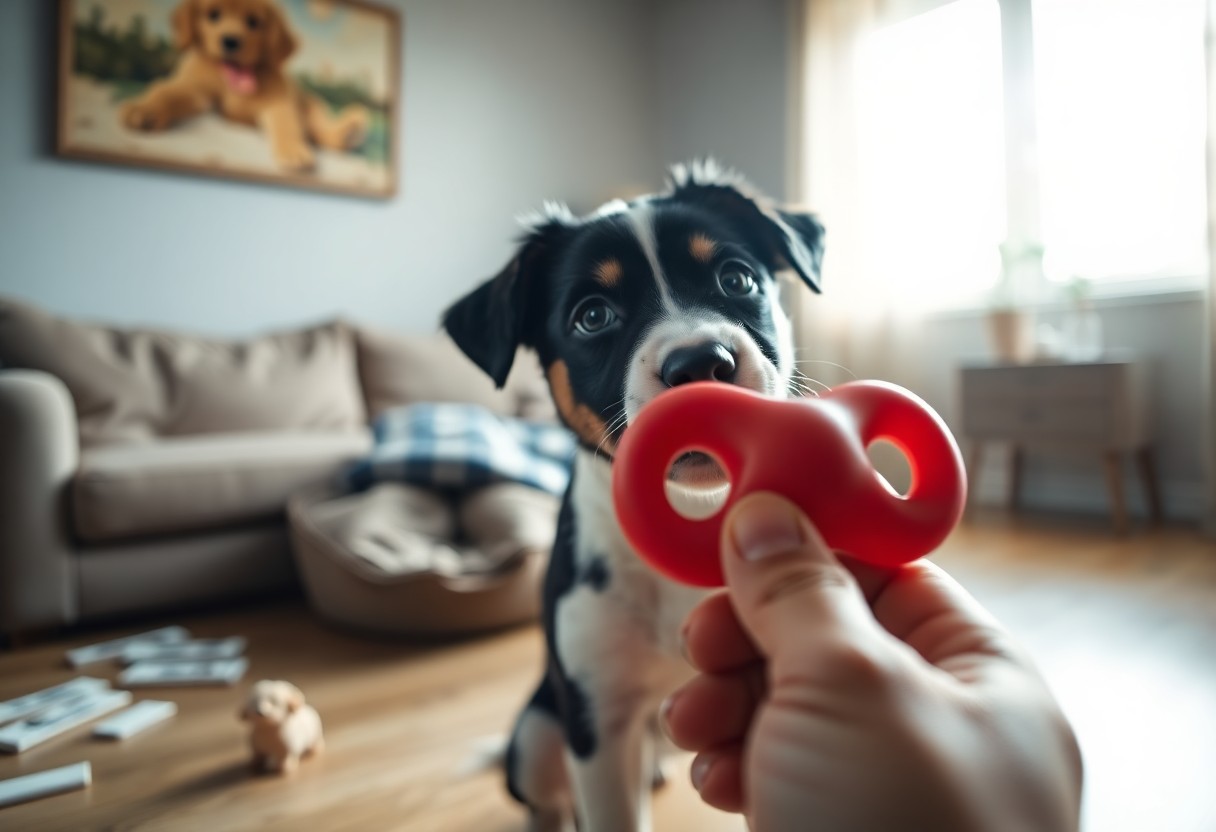
Utilizing positive reinforcement is the best way to teach your puppy appropriate behavior. Offer treats or praise immediately after they display good behaviors, like playing gently. Incorporate redirecting techniques; when your puppy begins to bite, provide them with a chew toy to focus their energy elsewhere. Consistency and patience during training sessions, ideally lasting no longer than 5 to 10 minutes, reinforce learning and yield better results.
Integrating these effective training techniques requires a balance of patience and persistence. For instance, using a clicker can help mark good behavior instantly during training sessions, associating the sound with rewards. Gradually, your puppy will learn that gentle play earns praise while biting elicits a lack of attention. Consistent training helps build trust, ensuring your puppy feels secure while learning, and fosters a strong bond between you and your pet throughout the process.
Tips for Redirecting Biting Behavior
Redirecting your puppy’s biting behavior is important for fostering a calm and gentle companion. Utilize positive reinforcement to encourage better habits. Recognize the signs that your puppy is about to bite and intervene with engaging distractions. Consistency in your approach will solidify learning. Employ a variety of techniques to keep the experience enjoyable for both of you. You can apply these strategies:
- Offer appropriate chew toys instead of your hands
- Utilize playtime to teach gentle interactions
- Provide alternative activities when biting occurs
- Consistently reward good behavior with treats and praise
Any consistent redirection will effectively help your puppy learn what is acceptable behavior.
Appropriate Chew Toys
Selecting the right chew toys can significantly reduce your puppy’s biting instincts. Durable toys designed for teething puppies can help satisfy their urge to chew while protecting your belongings. Opt for varied textures and shapes to keep them engaged. Rotate toys regularly to maintain your puppy’s interest and ensure they stay focused on appropriate items.
Positive Reinforcement
Positive reinforcement is a powerful tool in shaping your puppy’s behavior. By rewarding your puppy with treats, praise, or playtime every time they choose appropriate items over your skin, you reinforce desirable behavior. Understand that simply reacting to unwanted biting is insufficient; your enthusiasm in praising alternative actions is what drives change.
This approach can be backed by studies showing that dogs learn more effectively through rewards than corrections. For instance, a consistent program of rewarding soft play can lead to a 70% drop in biting incidents within just a few weeks. Tailor your rewards—make them highly appealing to your puppy, such as using their favorite toy or special treats to create strong associations with good behavior. This not only curbs biting but fosters a more profound bond between you and your pet.
Factors Influencing Biting
The reasons behind biting behavior in puppies can vary significantly. Understanding these influences helps in creating effective training strategies. Key factors include:
- Genetics
- Age
- Environment
- Socialization
Assume that addressing these factors will lead to a more harmonious relationship between you and your puppy.
Breed Differences
Each breed has unique characteristics that can affect biting tendencies. Some breeds, like Terriers, may exhibit higher energy levels and a tendency to bite during play. In contrast, Retrievers often show gentler behavior. Research into breed specificities helps you tailor your approach.
Socialization and Environment
Socialization plays a critical role in your puppy’s biting behavior. Puppies that are well-socialized are exposed to various situations, people, and animals during their formative weeks, which can significantly reduce fear-based biting. A positive environment encourages appropriate play and boosts confidence, leading to less aggressive tendencies.
Fostering a diverse and stimulating environment aids in shaping your puppy’s temperament. Engage your puppy with different sounds, surfaces, and experiences to build comfort and confidence. Ensuring interactions with other dogs and people, ideally during their critical socialization period (between 3 to 14 weeks), strengthens their ability to manage excitement without resorting to biting. A well-socialized puppy learns bite inhibition naturally, promoting gentle interactions with others.
Monitoring Progress
Tracking your puppy’s biting behavior is imperative for successful training. You should observe and note any improvements or setbacks in their behavior during playtime and interactions. Keeping a record helps you identify patterns over time, such as specific triggers that lead to biting. Regular assessment will help you determine if your current strategies are effective or if adjustments are necessary to guide your puppy toward more appropriate behaviors.
Keeping Track of Behavior Changes
Documenting behavior changes provides insight into your puppy’s progress. Utilize a journal or a digital app to log instances of biting, noting the context and your puppy’s emotional state. By analyzing these records, you can better understand your puppy’s development and adapt your training methods accordingly.
Adjusting Strategies as Needed
If progress stalls or unwanted biting resumes, re-evaluating your training techniques can be beneficial. Factors such as your puppy’s age, energy level, and temperament may dictate that a different approach is necessary. Consider introducing new toys, altering your reaction to biting, or refining your positive reinforcement methods to better suit your puppy’s needs.
Fine-tuning your training strategies can significantly influence your puppy’s learning curve. For instance, if you notice that your puppy is more prone to biting when excited, incorporating calming exercises or structured play sessions may help reduce their urge. Alternatively, increasing the frequency of positive reinforcement for desired behaviors can shift focus away from biting. Continuous observation and flexibility in your approach will enhance your effectiveness in teaching your puppy acceptable behaviors.
Seeking Professional Help
Professional training may become necessary if your puppy’s biting behavior persists despite your efforts. Engaging a trainer can provide tailored strategies that address specific issues, helping to accelerate the training process. Trainers possess invaluable experience and can deliver insights that you might not have considered, ultimately enhancing your puppy’s behavior and ensuring a safer environment for everyone involved.
When to Consult a Trainer
Consult a trainer if you notice that your puppy’s biting is aggressive, uncontrollable, or is leading to injuries. A trainer’s expertise is vital when typical training techniques fail to yield results. This is especially important in high-energy breeds or if the puppy displays fear-based biting, which requires specialized intervention.
What to Expect from Professional Training
Professional training offers structured programs that combine behavioral assessments and customized training plans. Trainers utilize positive reinforcement techniques and may recommend specific exercises tailored to your puppy’s needs. You can expect increased consistency, focused socialization, and enhanced communication between you and your puppy through guided sessions.
In professional training sessions, you will often participate alongside your puppy, allowing you to learn effective techniques in real-time. Trainers typically assess your puppy’s temperament and behavior, tailoring methods that best suit their personality. Expect hands-on demonstrations, interactive exercises, and immediate feedback, which foster a deeper understanding of canine behavior and strengthen your bond. As a result, you’ll be better equipped to handle challenging situations, boosting your confidence and ensuring lasting results in your puppy’s training journey.
Summing up
So, to effectively train your puppy to stop biting, it’s imperative to establish clear boundaries and consistently reinforce appropriate behavior. Use positive reinforcement techniques, such as treats or praise, whenever your puppy plays gently. Redirect your puppy’s biting to suitable toys and remain patient as they learn the difference between play and aggression. Behaviors like ignoring bites or expressing a loud “ouch” can communicate that biting is unacceptable. With consistent practice and understanding, your puppy will develop better habits, leading to a more pleasant playtime experience.