Training your puppy effectively goes beyond basic commands; it includes keeping their minds and bodies engaged. By incorporating enrichment activities into your routine, you can prevent boredom and discourage bad habits before they form. This guide offers various stimulating ideas that tap into your puppy’s natural instincts, ensuring your furry friend stays happy and healthy while building a stronger bond with you. Keep reading to discover the best ways to enrich your puppy’s life and enhance their overall well-being.
Key Takeaways:
- Engaging puzzle toys can stimulate your puppy’s mind and keep them occupied.
- Incorporate varied activities like scent games and agility courses to diversify their experiences.
- Regular socialization with other dogs and people helps to prevent boredom and encourages good behavior.
Puppy Enrichment Ideas to Prevent Boredom and Bad Habits
Factors Contributing to Boredom
Boredom in puppies often arises from a lack of mental stimulation and insufficient physical activity. It’s necessary to recognize that puppies have a natural curiosity and an innate need to explore their environment. If you fail to provide adequate stimulation, they may resort to destructive behaviors to entertain themselves. Factors such as being home alone for extended periods, lack of socialization opportunities, or minimal engagement with interactive play contribute significantly to this boredom.
- Limited social interaction
- Insufficient physical exercise
- Failure to engage in training
- Repetitive or predictable environments
- Lack of various toys
The more you understand these factors, the better equipped you are to prevent boredom in your puppy.
Signs of Bad Habits
Recognizing the signs of bad habits in your puppy is the first step toward correcting them. Common indicators include excessive barking, chewing on furniture, digging holes, or even inappropriate urination. These behaviors often stem from boredom, anxiety, or unfulfilled needs for social interaction. When puppies exhibit these signs, it’s a clear message that they require your attention and a change in their routine.
Moreover, if your puppy engages in these behaviors consistently, it may escalate into more serious issues like aggression or separation anxiety. Observing your puppy’s actions closely allows you to intervene early and redirect their energy into more positive outlets.
Importance of Enrichment
The role of enrichment in your puppy’s life cannot be understated; it is necessary for their physical and mental well-being. Engaging activities not only enrich their environment but also promote healthy development. When you provide a variety of toys, puzzles, and interactive games, you actively encourage problem-solving skills and social behaviors, which are critical at this stage of their life.
By incorporating structured play sessions and varied experiences, you help foster a well-adjusted puppy. Enrichment reduces the risk of developing behavioral problems, making it a vital aspect of your puppy’s overall care and training routine.
How to Create an Enriching Environment
Tips for Safe Indoor Play
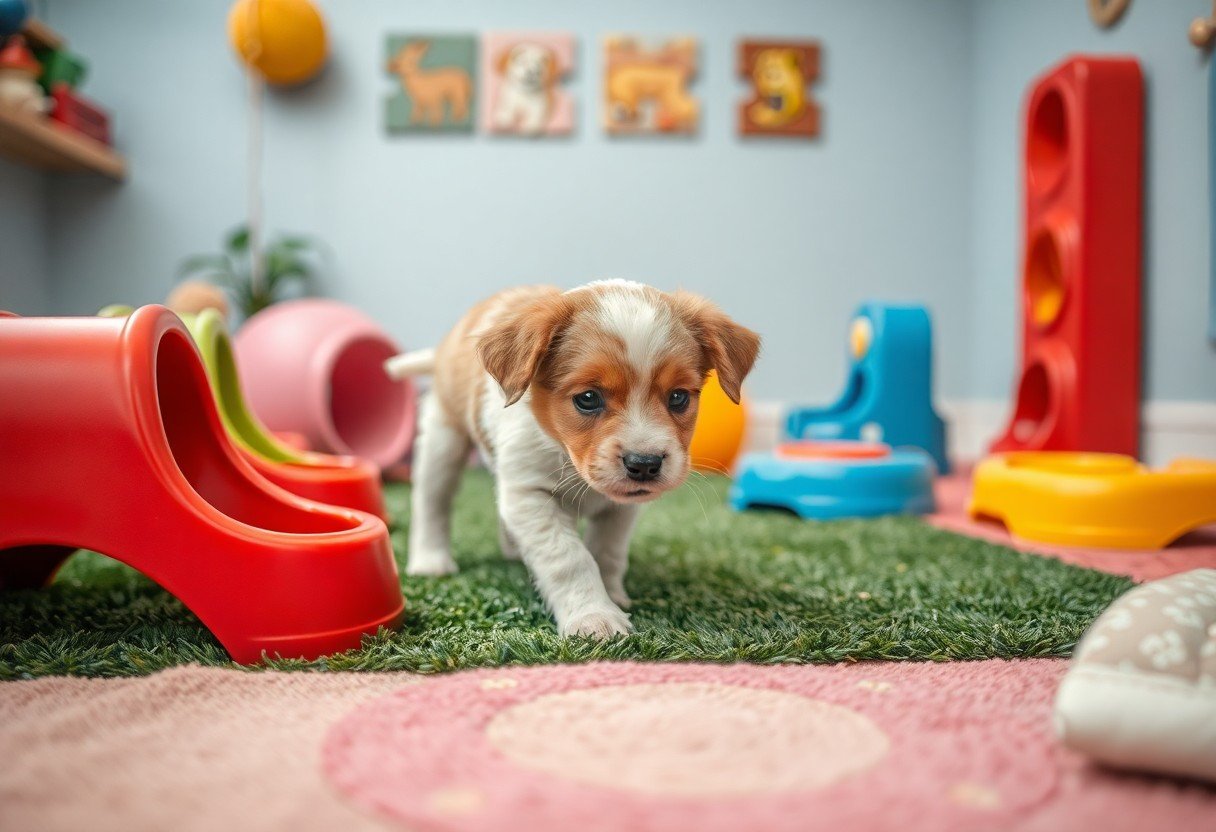
Creating an enriching indoor environment requires careful consideration of safe play areas. Designate a specific space in your home where your puppy can explore freely without the risk of injury. Use baby gates to limit access to hazardous areas, and ensure that the floor is clear of small objects that could be swallowed. Consider using non-toxic, sturdy toys that can withstand vigorous play, as puppies often chew with enthusiasm. Rotate toys regularly to keep your puppy engaged and curious.
- Ensure toys are the right size to prevent choking.
- Supervise playtime to intervene in case of inappropriate behavior.
- Choose toys that are durable and specifically designed for puppies.
- Keep hazardous materials, like wires and toxic plants, out of reach.
Thou shalt create a harmonious space that encourages exploration and play without fear of harm.
Outdoor Enrichment Ideas
Taking your puppy outside can significantly enhance their mental and physical stimulation. Engaging in outdoor enrichment activities, such as teaching them to navigate obstacles, playing fetch, or simply going for a long walk, can help forge a stronger bond between you and your pup. Variations in your routine, like visiting new parks or introducing water play, can further stimulate your puppy’s senses and develop their confidence. It’s necessary to introduce them to different environments to build adaptability.
Consider incorporating games like hide-and-seek by hiding treats or their favorite toy around the yard. You can also use a bubble machine to capture their attention while promoting exercise. Outdoor exploration allows for freedom and discovery, which is integral to your puppy’s mental health. Incorporating scent tracking games not only satisfies their curiosity but also taps into their natural instincts, contributing to overall development.
Utilizing Puppy-Safe Household Items
Household items can serve as excellent tools for puppy enrichment. Items like cardboard boxes, towels, and plastic bottles (without sharp edges) can be transformed into toys. You can cut small holes in boxes to hide treats, turning them into scavenger hunts that invigorate your puppy’s senses. Additionally, you can create DIY tug toys using old clothing or towels that are paw-friendly and can withstand energetic play. Always ensure these items are free from small parts or harmful materials.
Your creativity can turn mundane household objects into engaging activities. By using items like muffin tins filled with tennis balls and hidden treats underneath, you stimulate your puppy’s problem-solving skills. Always supervise the use of household items closely, ensuring they remain safe and free from ingestion risks. This approach not only keeps your puppy busy but also saves on expensive toy purchases while promoting your pet’s mental agility.
Engaging the Senses
How to Use Scent Work
Incorporating scent work into your puppy’s routine can be a fantastic way to engage their powerful sense of smell. You can start this activity by hiding treats around your home or in your yard and encouraging your puppy to sniff them out. Use a specific command like “find it” to teach them what you want them to do. Gradually increase the difficulty by placing treats in hard-to-reach spots, which will not only stimulate their mind but also promote physical activity.
You can also introduce scent discrimination exercises. For instance, you can have two identical containers, one with food and one without, and let your puppy identify the one with the treat. This activity sharpens their focus and enhances problem-solving skills, which is imperative for a well-rounded puppy.
Benefits of Sound Enrichment
Sound enrichment can play a vital role in your puppy’s mental stimulation. Introducing a variety of sounds, such as nature recordings or dog training sounds, can help your puppy acclimate to different auditory environments. This is especially important if you plan to expose them to various situations later in life, such as loud noises during fireworks or thunderstorms. You can play these sounds at a low volume initially and gradually increase the volume as your puppy becomes more comfortable.
Additionally, interactive toys that make sounds can enhance their playtime experience. Toys with squeakers or crinkly material engage their curiosity, encouraging them to explore and interact. Ensuring they experience a range of sounds in a controlled manner will aid in building confidence and reducing anxiety.
Creating Tactile Experiences
Providing various tactile experiences can enhance your puppy’s sensory development significantly. Use different textures such as soft blankets, rubber toys, and rough surfaces to stimulate their curiosity. Create a small sensory bin filled with items like crumpled paper, fabric scraps, or safe sand for them to dig through, which can be a rewarding and engaging activity. You could even introduce a safe treat-dispensing toy that challenges them to maneuver through obstacles.
Varying the tactile experiences can also help with developing their coordination and encouraging exploration. You might notice your puppy becoming more confident as they navigate through different materials, which builds their problem-solving skills and overall happiness.
Puppy Enrichment Ideas to Prevent Boredom and Bad Habits
How to Incorporate Regular Exercise
To keep your puppy mentally and physically stimulated, it’s crucial to incorporate regular exercise into their daily routine. Aim for at least 30 to 60 minutes of physical activity each day, depending on your puppy’s breed and energy levels. Break this time into shorter sessions, which can include walks, playtime in the yard, or trips to the dog park. You can also involve your puppy in family activities like jogging or cycling, ensuring they remain engaged and active.
Consider varying the type of exercises you undertake with your puppy to keep things interesting. For example, take different routes for walks, include climbing hills, or introduce new terrains like sandy beaches or wooded areas. This not only provides physical challenges but also stimulates their senses, helping them to explore sights and smells that can enhance their excitement.
Tips for Interactive Playtime
Interactive play is a fantastic way to strengthen the bond between you and your puppy while addressing their need for mental stimulation. Engage in activities that require your puppy to think, such as hide-and-seek or using toys that dispense treats. This encourages problem-solving skills and keeps their mind active. Regularly changing the toys and methods of play can provide fresh challenges and prevent monotony.
Additionally, incorporate fetch or tug-of-war into your routine, as these games promote both physical and mental engagement. Always keep sessions upbeat and exciting, and reward your puppy with praise or treats for participating. This positive reinforcement further enhances their motivation to engage during playtime.
- Interactive toys for mental stimulation
- Problem-solving games like hide-and-seek
- Physical games such as fetch or tug-of-war
Perceiving the excitement in your puppy during these activities reinforces their love for playtime and strengthens your relationship.
Variety in your playtime choices is vital. Experiment with different interactive toys or set up obstacle courses in your yard to keep your puppy excited about exercise and learning new skills. Engaging in this way fosters a sense of curiosity, allowing your puppy to thrive.
- Obstacle courses for physical challenges
- Tag games to boost energy and fun
- Everyday items repurposed for play
Perceiving the creativity in these setups can turn ordinary moments into sources of joy for both you and your puppy.
Games Your Puppy Will Love
Your puppy will benefit enormously from playing specific games designed for their development and enjoyment. Games such as hide-and-seek encourage problem-solving and sensory development, while fetch can improve both agility and focus. Incorporate toys that mimic prey, which can engage their natural instincts and provide physical stimulation.
Another entertaining option is the shell game, where you hide a treat under one of three cups and shuffle them around. Your puppy gets to practice memory and scent work while having fun. Always be attentive to your puppy’s responses during play; adjusting the difficulty level based on their progress can provide ongoing challenges and foster confidence.
Games that involve chasing or retrieving also tap into your puppy’s natural instincts, providing vital exercise while reinforcing positive habits. Continuously introduce variations to keep things fresh, ensuring your puppy remains eager and enhanced in their learning journey.
Mental Stimulation Techniques
Puzzle Toys and Their Benefits
Puzzle toys are an excellent way to keep your puppy engaged and challenged. These interactive toys require your pup to think and problem-solve to access treats or kibble, which can alleviate boredom and stimulate their cognitive abilities. Many puzzle toys come in various difficulty levels, allowing you to gradually increase the challenge as your puppy learns. Studies have shown that mental challenges can reduce behavioral issues linked to boredom, such as chewing or digging.
In addition to mental stimulation, puzzle toys can also promote slower eating, which is beneficial for puppies that tend to gulp their food. Offering a toy that dispenses food can extend meal times and make feeding part of the fun. Investing in a few quality puzzle toys will not only engage your puppy but also contribute to their overall well-being.
Teaching New Tricks
Teaching your puppy new tricks is not just a fun bonding activity; it also serves as an excellent way to provide them with mental stimulation. Tricks like ‘roll over,’ ‘play dead,’ or even more complex maneuvers keep your puppy’s brain active and encourage good behavior by keeping them focused on you. Using positive reinforcement methods, such as treats and praise, reinforces these skills and strengthens your relationship.
Each new trick you teach can be broken down into smaller steps, allowing your puppy to learn at their own pace. Start with simple commands before moving on to more complicated tricks. This gradual approach prevents frustration and ensures that your puppy remains engaged and motivated throughout the learning process.
How to Use Training Sessions for Enrichment
Training sessions are a powerful tool for mental enrichment. Aim for short, frequent sessions of around 5 to 10 minutes, which help maintain your puppy’s attention while reinforcing learned behaviors. Incorporating a mix of commands, tricks, and games will keep the experience fresh and enjoyable for your puppy. Additionally, consider linking training with other activities, like going for walks or playtime, to make these sessions even more enticing.
Incorporating environmental cues can also enhance learning. For example, asking your puppy to perform commands in different settings or around distractions can promote adaptability and resilience. Ultimately, this varied training approach keeps your puppy’s mind sharp and ready for any situation.
How to Use Training Sessions for Enrichment
Varying the locations of your training sessions can introduce new stimuli, making learning more exciting. By practicing in different environments, such as the backyard, a park, or inside the house, you expose your puppy to various sounds and sights, further developing their adaptability.
Socialization and Interaction
Tips for Socializing with Other Dogs
When socializing your puppy with other dogs, start slow to ensure a positive experience. Choose a controlled environment, such as a friend’s yard or a local dog park during off-peak hours. Always monitor their body language: look for signs of discomfort like tucked tails or growling. Introduce new dogs one at a time to prevent overwhelming your puppy. Keep the encounters short and enjoyable to encourage your puppy to associate other dogs with positive experiences.
- Use treats to reward friendly behavior, reinforcing positive interactions.
- Attend puppy playdates, providing a safe space for learning social cues.
- Incorporate structured play with toys to promote healthy competition.
- Keep a close watch for signs of aggression or unease, intervening as necessary to maintain a safe environment.
Thou will find that consistent exposure to different breeds and sizes in varied settings can significantly enhance your puppy’s social skills and confidence.
How to Engage with People Effectively
Engaging your puppy with people is just as important as socializing with other dogs. Start by introducing your puppy to friends and family in safe, familiar environments. Use treats to encourage your puppy to approach new people, allowing them to gently pet your pup once they feel comfortable. It’s vital to let the puppy dictate the pace of these interactions; forcing them can lead to fear or anxiety. Regular short meetings with people of all ages can help build their social skills and boost their confidence.
Utilize outings to pet-friendly locations like cafes or parks to further enhance public exposure. This diversity in settings provides your puppy with a wealth of experiences that will prepare them for life outside your home.
Group Activities and Classes
Participating in group activities and classes is beneficial for enriching your puppy’s socialization. Consider enrolling in a puppy training class, which provides a structured environment for learning vital commands while interacting with other dogs and people. These classes not only teach basic obedience but also foster a sense of community among puppy owners and encourage regular interaction.
Group activities like agility classes or puppy playgroups create opportunities for supervised play and stimulate your puppy both physically and mentally. They allow your puppy to learn from more experienced dogs and help develop their understanding of social hierarchies, which is vital for their growth.
Conclusion
With this in mind, your puppy’s well-being hinges on providing stimulating activities that cater to their natural instincts and energy levels. By incorporating a variety of enrichment ideas into your daily routine, you can effectively ward off boredom and reduce the likelihood of developing unwanted behaviors. Engaging your puppy with interactive toys, puzzle feeders, and regular training sessions not only keeps them entertained but also strengthens your bond with them.
Incorporating outdoor adventures, socialization with other dogs, and scent games can further enhance your puppy’s mental and physical capabilities. As you explore these enrichment activities, you create a fulfilling environment that nurtures your puppy’s development, ensuring they grow into a balanced and well-adjusted adult dog. The effort you invest in preventing boredom now will pay dividends in a lifetime of good behavior and joy shared between you and your furry companion.
FAQ
Q: What are some effective indoor puppy enrichment activities?
A: Effective indoor activities include puzzle toys filled with treats, hiding toys around the house for a scavenger hunt, and interactive games like tug-of-war or fetch using soft balls. Setting up an obstacle course with cushions and furniture can also stimulate their minds and bodies.
Q: How can I use training sessions as a form of enrichment?
A: Training sessions can be a great way to mentally stimulate your puppy. Teach new commands or tricks using positive reinforcement. Incorporate fun activities like agility training or scent work to engage their natural instincts and keep them focused and interested.
Q: What outdoor activities can help prevent boredom in puppies?
A: Outdoor activities include regular walks, exploring new environments, and playdates with other dogs. You can also introduce them to activities like fetch, hide and seek, or agility courses in a safe, enclosed area. Rotating their outdoor experiences can keep the excitement alive.