Training in a busy household can feel overwhelming, but you can establish a calm environment that promotes focus and learning. By setting up designated training spaces, minimizing distractions, and incorporating predictable routines, you enhance your ability to connect with your learner. It’s vital to prioritize patience and consistency during training sessions, allowing your household to maintain a peaceful atmosphere. With the right strategies, you will foster a positive attitude toward learning, making the training process more enjoyable for everyone involved.
Key Takeaways:
- Establish a dedicated training space that minimizes distractions.
- Set a consistent training schedule that aligns with household routines.
- Incorporate calming techniques, such as breathing exercises, before training sessions.
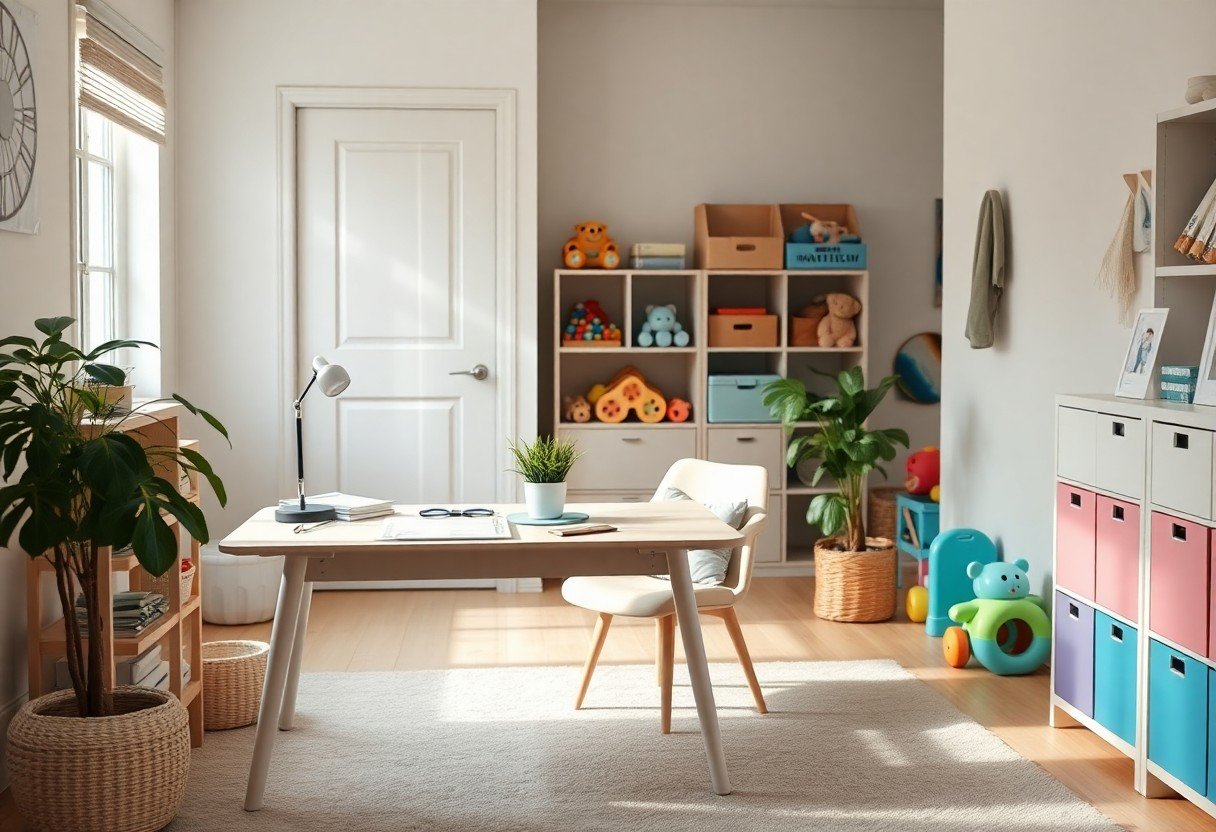
Understanding the Importance of a Calm Training Environment
Factors Affecting Training Success
The environment in which training takes place can significantly impact its success. A chaotic or noisy atmosphere can lead to distractions that hinder your pet’s ability to focus, making learning challenging. Factors such as the presence of other pets, children playing, or household activities can create a sense of unease, affecting both you and your pet’s performance during training sessions.
- Noise levels – High-volume activities can interrupt concentration.
- Distractions – Other pets or people can divert attention.
- Safety – A calm space ensures safety during exercises.
- Comfort – A relaxed environment promotes better learning.
This all highlights the need for a designated training space that minimizes stressors and emphasizes comfort and focus.
The Psychological Impact of a Calm Environment
A calm training environment has profound psychological benefits for both you and your pet. It fosters a sense of safety and trust, important components for effective learning. When your pet feels secure, they are more likely to engage enthusiastically in training, exhibiting improved behavior and responsiveness. Additionally, a peaceful atmosphere allows you to better manage your emotions, which plays a key role in successful training outcomes.
Creating this environment may involve simple adjustments such as choosing a quieter time for training or selecting a location that is free from typical household chaos. By focusing on what brings comfort to your pet, you layout a foundation of trust and security that enhances every training experience.
Benefits for Household Members
A calm training environment is not only beneficial for pets but also for all household members. When training sessions are conducted in a peaceful setting, family members experience reduced stress levels, leading to an overall harmonious home life. This environment encourages collaboration among family members as everyone can contribute to, and partake in, a resourceful and engaging training experience.
The balance brought forth by a calm training environment cultivates better communication skills and reinforces positive interactions, making training sessions an enriching experience for both your pet and your family. It builds lasting bonds, as each member participates in fostering a supportive atmosphere that benefits everyone involved.
Preparing Your Space for Training
Choosing the Right Location
Selecting the appropriate space for training is necessary to create a calm atmosphere. Aim for a location that is separate from the noise and activity of the household, such as a quiet room or a corner of your home that is less frequently used. This isolation will help minimize background noise, allowing you to focus better and engage more effectively with your training material. Consider a space with good lighting and ventilation; this can enhance your concentration and overall comfort during training.
Additionally, think about the temperature of the room. A space that is too hot or too cold can distract you from the training at hand. If possible, control the environment by adjusting the thermostat or using fans or space heaters. The right location can significantly impact your learning experience, making it more enjoyable and productive.
Organizing Your Training Area
The organization of your training area plays a key role in maintaining focus and calmness. Start by clearing any clutter from your training space. This means removing unnecessary items, such as personal belongings, kitchen gadgets, or even decorative objects that may catch your eye and lead to distractions. A clean, tidy space encourages clarity of thought and lets you engage fully with the materials you need for training.
Next, consider the layout of your training materials. Arrange your resources in an accessible manner, such as grouping related materials together or keeping necessary tools within arm’s reach. Having everything organized not only enhances your efficiency but also reduces the anxiety associated with searching for items mid-training.
Minimizing Distractions
To ensure a productive training session, minimizing distractions is vital. Start by putting your phone on silent or in another room to avoid interruptions from notifications. If possible, inform your household members of your training schedule and request their cooperation in keeping noise levels low during this time. Creating physical and social boundaries can help protect your focus.
Incorporate elements that foster concentration, such as soft background music or noise-canceling headphones. Engaging your senses in a way that promotes a calm atmosphere can further drown out unwanted sounds and help you stay committed to your training tasks.
Establishing a Training Routine
Setting Consistent Training Times
To achieve optimal results in training, setting consistent training times is necessary. Designate specific days and times each week for training sessions, creating a predictable schedule that you and your household members can rely on. This consistency not only helps your pets understand when to expect training but also allows family members to prioritize these moments, ensuring that distractions are minimized.
Consider aligning your training sessions with daily routines. For instance, if your household typically winds down in the evening, use that time for training, helping all members, including your pets, settle into a focused mindset. By incorporating training into already established routines, you foster an environment where learning becomes a natural part of daily life.
Incorporating Calmness into Your Routine
Incorporating calmness into your training routine can significantly enhance the focus and retention levels for all participants. Begin by setting the stage with a quiet atmosphere; turn off distractions like televisions or loud music before your training sessions. Engage in a brief period of calm activities, such as breathing exercises or gentle stretching, which can help both human and animal participants center their energy and promote a state of readiness for learning.
Utilizing calm voice tones and gentle movements during training can also foster a peaceful environment. For example, when giving commands, utilize soft, reassuring tones to help your pet associate training with tranquility rather than anxiety. Pairing training with pleasant, soothing experiences can create a positive feedback loop, encouraging your pets to remain engaged and receptive to instruction.
Recognizing Individual Needs of Family Members
Understanding the unique needs of each family member can enhance the effectiveness of your training sessions. Take into account that every individual, whether human or animal, might respond differently to training stimuli. For example, some pets may require more breaks or a slower-paced approach to feel comfortable and engaged. Similarly, children may have varying attention spans, meaning you may need to adjust training techniques accordingly to hold their interest.
By acknowledging these individual differences, you can tailor your training methods to suit everyone while promoting cooperation and patience among family members. This adaptability not only benefits your training objectives but also strengthens relationships within your household as everyone learns to respect each other’s needs.
Techniques for Promoting Calmness
Mindfulness Practices to Consider
Incorporating mindfulness practices into your household can greatly enhance your training environment. You can start with simple exercises like being present during training sessions, focusing entirely on the task at hand. Consider introducing short mindfulness breaks—a few minutes of quiet reflection can help you and your training partner refocus and reduce anxiety. For instance, before starting a new training session, take a moment to breathe deeply and clear your mind of distractions. This not only centers you but also creates a consistent routine that signals a shift to a calm mindset.
Mindful movements or yoga stretches can also serve as excellent warm-ups, fostering physical awareness and relaxation. Engaging in these practices consistently reinforces a tranquil atmosphere, making it easier to concentrate on tasks. For example, set aside a few minutes before training to guide your household through a gentle flow of stretches, which calms the body and prepares everyone for focused work.
Utilizing Soft Background Music
Integrating soft background music into your training sessions can significantly foster a serene atmosphere. Choose instrumental music with a slow tempo, ideally in the range of 60 to 80 beats per minute, which has been shown to encourage relaxation. Classical music or ambient soundtracks can mask distractions and keep the environment peaceful, allowing everyone to concentrate better on their tasks. Pay attention to the volume; it should be low enough to avoid becoming a focal point but present enough to promote a calming ambiance.
Experiment with various genres to find what works best for your household. Some may respond well to nature sounds, while others might prefer soothing piano melodies. It’s noteworthy that studies indicate music therapy can reduce stress and anxiety levels, making it an effective tool for your training environment. Consider creating a personalized playlist that includes diverse tracks suited for different training activities to maintain engagement while promoting calmness.
Incorporating Breathing Exercises
Breathing exercises can act as an effective way to enhance focus and calmness during your training sessions. Start with simple techniques such as the 4-7-8 method, where you inhale for a count of four, hold for seven, and exhale for eight. This method not only slows your heart rate but also reduces stress. Practicing these exercises collectively as a household before training can unite everyone in a shared moment of calm, clearing mental clutter before exploring into the tasks at hand.
When introducing breathing exercises, encourage everyone to find a comfortable position. You can even combine these with visualization techniques, where you envision a peaceful environment as you breathe. Incorporating this practice regularly can lead to a noticeable difference in the overall atmosphere of your training sessions, making them more enjoyable and productive.
Encouraging Family Participation
Discussing the Importance of Training
Engaging your family in the training process reinforces the value of good behavior and positive interactions. When everyone understands the basic principles behind training, it cultivates a shared responsibility for maintaining consistency in your pet’s learning. This not only strengthens the bond within your household but also creates a unified front when addressing specific training challenges. Training is not just about commands; it’s about developing understanding and communication, which are vital for harmony in a busy home.
Moreover, involving your family members helps each person appreciate the training journey. Whether it’s explaining the reasons behind using positive reinforcement or demonstrating specific exercises, open discussions can highlight the benefits of training for both pets and family members. By fostering this understanding, you empower your household to contribute positively to the process, making it a collaborative effort.
Engaging Siblings or Household Members
Bringing siblings or other household members into the training can transform the experience. Having everyone take part not only diversifies the training methods but also makes the process more enjoyable for your pet. For example, assigning family members specific roles, such as the “trainer” or “distraction handler,” can make each session engaging and interactive. Using varied voices, energy levels, and cues from each person can help reinforce the training concepts and benefits from different perspectives.
Encourage your siblings to contribute their ideas, such as incorporating play into training sessions. This can lead to creative ways to maintain the pet’s attention and promote positive behaviors. No matter the age of the participants, ensure that they understand their involvement promotes a sense of teamwork and responsible pet ownership.
Creating a Supportive Community
Developing a supportive community around your training efforts can further enhance the calm training environment within your household. This includes drawing on help from neighbors, friends, or local training clubs that offer workshops or meet-ups. Exposure to different training practices and experiences can refine your techniques and provide fresh insights into managing your busy household. Engaging with others facing similar challenges enables you to share strategies and encouragement, promoting shared learning.
By fostering connections with those who share your training goals, you build a network that offers ideas and support when challenges arise. These relationships can also lead to playdate arrangements, allowing your pet and others to practice social skills in varied environments, reinforcing the lessons learned during training.
Adjusting to Ongoing Changes in the Household
Tips for Adapting Training with New Family Members
When introducing a new family member, whether it’s a pet or a human, it’s vital to adjust your training strategies accordingly. Each addition can shift the dynamics of the household, affecting your pet’s behavior and training responsiveness. Start by ensuring the new family member understands the basic commands your pet has learned; this creates a consistent environment where everyone is on the same page. Involve your new family member in training sessions to promote bonding and establish authority.
- Establish a consistent training schedule that includes every family member.
- Provide positive reinforcement methods that everyone can use.
- Assess your pet’s reactions to the new family member and adjust training accordingly.
- Communicate openly about any behavioral challenges that arise.
Any new addition may require patience and incremental adjustments to your training approach. By proactively involving everyone, you foster a cohesive and harmonious environment for your pet.
Maintaining Calm During Busy Schedules
In the midst of hectic family schedules, maintaining a calm training environment is vital. Consistency is key; having a designated training time each day—even if it’s short—can help. This ensures your pet receives regular attention, reinforcing their learning amid chaotic timing. Establishing a predictable routine allows your pet to feel secure, paving the way for more manageable training sessions.
For example, if you know that Tuesdays tend to be extra busy, plan shorter but more focused training sessions those days. Even a quick five-minute refresher can reinforce good behavior and keep your pet engaged without the overwhelming stress of a lengthy training session.
Recognizing and Addressing Stressors
Identifying stressors in your household can significantly enhance your pet’s training experience. Common stressors, such as loud noises, busy schedules, and changes in routine, can impact your pet’s ability to learn and remain calm. Pay attention to your pet’s behavior, noting any signs of anxiety or unease. This awareness allows you to identify problematic areas and adjust training techniques accordingly.
Addressing these stressors may involve creating a designated quiet space for your pet or incorporating calming techniques, such as soothing music or anxiety wraps, to help them feel more secure and focused during training sessions.
Evaluating and Adapting Your Approach
How to Track Progress and Success
To effectively gauge the effectiveness of your training efforts, you need a clear method for tracking progress and success. Consider keeping a journal or a digital log to document specific behaviors, milestones, and challenges encountered during training sessions. For instance, if you’re training a pet, note down each command learned, any signs of stress observed, and the duration of sessions. This will help you identify trends over time, such as improvements after specific techniques or changes in the environment.
Utilize a simple checklist for each training session, marking achievements as they occur. This formalized approach serves not just as a record but also as a motivational tool. When you see a physical list of accomplishments, it can affirm your strategies and boost your confidence to continue refining your methods.
Knowing When to Adjust Training Strategies
Every training approach has its limits, and recognizing the signs that adjustments are needed is vital. If your trainee exhibits consistent signs of stress, disinterest, or regression, it may be time to evaluate your techniques. Utilize your tracking log to pinpoint when these issues arise and adjust your methods accordingly, such as shortening training sessions or changing the training environment to one that feels safer.
Adapting training strategies includes experimenting with different techniques suited to your trainee’s unique disposition. For example, if positive reinforcement isn’t yielding results, consider incorporating a more structured routine that combines elements of both positive feedback and gentle corrections.
Gathering Feedback from Participants
Engaging directly with all participants—whether they are family members, other trainers, or even the trainees themselves—provides invaluable insight into the training process. Open discussions about their feelings towards the training environment can reveal critical details that might not be apparent through observation alone. Ask questions about their comfort levels and any suggestions they might have to improve the training experience.
This feedback can lead you to new methods that enhance the training process. For instance, if you learn that certain distractions cause anxiety, you can work on eliminating those elements in future sessions or adapt the training to increase exposure gradually.
Whether through verbal discussions or anonymous surveys, gathering feedback allows you to adapt your approach in a way that genuinely meets the needs of all involved. Listening to the perspectives of your trainees can also foster a sense of inclusion and collaboration, reinforcing the calm atmosphere you aim to achieve during training.
Final Words
From above, you understand that creating a calm training environment in your busy household is imperative for effective learning and development. By establishing specific routines, minimizing distractions, and designating quiet spaces, you can foster an atmosphere conducive to focus and growth. This not only benefits those engaged in training but also enhances the overall harmony of your home, making it easier for everyone to thrive amidst the daily hustle.
Incorporating these strategies requires commitment and adaptability, but the rewards are significant. You’ll observe improved concentration, increased motivation, and a more peaceful mindset for both you and your trainees. By prioritizing these elements in your household, you cultivate an enriching environment that supports learning and personal development, ultimately leading to lasting positive changes.
FAQ
Q: How can I minimize distractions during training sessions at home?
A: To reduce distractions, designate a specific training area away from noise and high-traffic zones. Inform household members of training times to limit interruptions, and use calming music or white noise to create a focus-friendly atmosphere.
Q: What strategies can I use to keep my pet calm in a busy environment?
A: Introduce calming techniques such as deep-breathing exercises for you and your pet. Use positive reinforcement with treats for quiet behavior, and gradually habituate your pet to household sounds during low-intensity training sessions.
Q: How can I establish a routine that encourages effective training amidst daily activity?
A: Create a consistent training schedule that aligns with quieter times in your household. Use short, frequent sessions instead of long ones to maintain focus, and integrate training elements into everyday activities for seamless learning.