Learning about clicker training can transform your approach to teaching and bonding with animals. This method utilizes a distinct sound to mark desired behaviors, aiding in quicker and more effective learning. You’ll discover the underlying scientific principles that make this technique successful, enhancing your training sessions and fostering a loyal connection with your pet. By understanding the mechanics of this approach, you can ensure that your training yields positive results and strengthens your relationship.
Key Takeaways:
- Clicker training utilizes positive reinforcement to enhance learning speed and retention in animals.
- The mechanism behind clicker training leverages the association between the sound of the click and the reward, promoting faster responses.
- Research indicates that clicker training can lead to more effective and enduring behavior modification compared to traditional training methods.
The Science Behind Clicker Training – Does It Really Speed Learning?
What is Clicker Training?
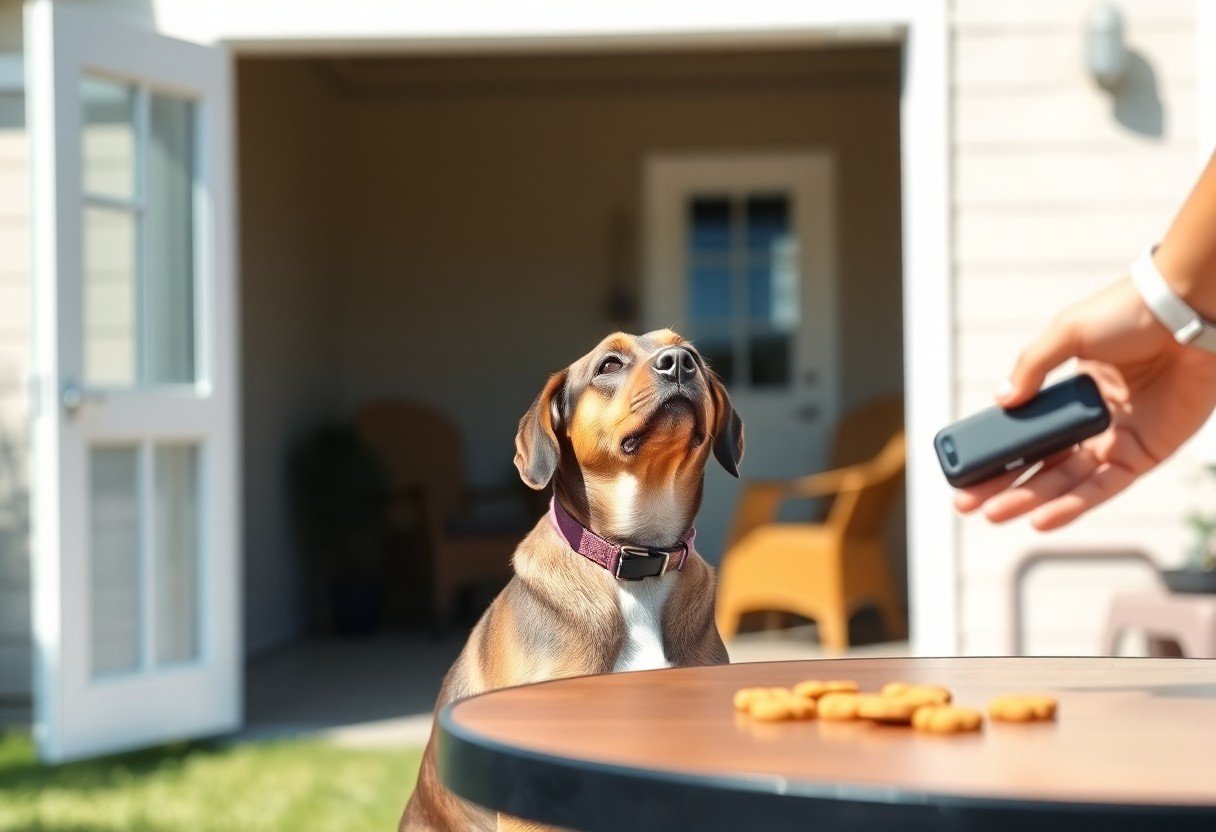
Clicker training is a method of animal training that utilizes a small device, known as a clicker, to mark desired behaviors. When your pet performs a behavior you want to reinforce, you press the clicker, producing a distinct sound. This sound acts as a signal to your pet that they have done something right and will be rewarded shortly after with a treat or praise. This technique is effective because it helps your animal associate the click sound with positive reinforcement, making it easier for them to learn and retain new behaviors.
Developed from behavioral psychology principles, clicker training is often employed in training dogs, cats, and even marine mammals. The *timing* of the click is crucial; it needs to coincide precisely with the desired action, creating a clear connection in your pet’s mind. For instance, if you’re teaching your dog to sit, you would click the moment their bottom touches the ground. As a result, the accuracy of the clicker helps your pet grasp complex tasks faster than traditional methods might allow.
How Clicker Training Works
The essence of clicker training lies in operant conditioning, a learning process through which the consequences of a behavior increase or decrease the likelihood of that behavior being repeated. When you use a clicker, you provide immediate feedback that the specific behavior is desirable. By pairing the click with a reward, you reinforce the connection between the action and its positive consequence, leading to quicker learning curves. Over time, your pet will learn that the click sound means a reward is forthcoming.
Additionally, the click serves as a bridge between the behavior and the reward, effectively allowing you to reward your pet even if there is a slight delay in providing the treat. This means that as soon as you click, your pet understands they are on the right track, fostering a more engaging training experience. The consistency is key; the more you practice, the more effective the technique becomes.
Incorporating the click noise as a marker can significantly enhance training sessions. As you consistently use the clicker, you encourage your animal to not only repeat the behavior but also to offer new behaviors in hopes of receiving more clicks and treats. This fosters creativity and problem-solving, further enriching your pet’s learning experience.
The Science of Reinforcement
When discussing effective training methods, understanding the science of reinforcement is paramount. Reinforcement can be positive or negative. In clicker training, you focus on positive reinforcement, which involves providing a reward following a specific behavior. This method has been shown to increase the likelihood that your pet will repeat the behavior in the future. Studies show that animals trained with positive reinforcement exhibit less anxiety and higher overall well-being, enhancing the bond between you and your pet.
Research indicates that positive reinforcement is superior to negative reinforcement or punishment as it effectively motivates animals to learn and improves their overall response to training efforts. By focusing on what your pet does right instead of what they do wrong, you create an environment conducive to learning, which can strengthen your relationship and trust.
Implementing varied forms of reinforcement can further enhance your sessions. For example, using a mix of treats, praise, and play can keep your pet engaged and eager to learn, as each form of reinforcement serves as an effective motivator. This variation not only keeps training fresh for your pet but also helps to solidify the connection between their behavior and the subsequent rewards. Overall, understanding and applying the principles of reinforcement can significantly boost the success of your clicker training efforts.
How to Implement Clicker Training
Choosing the Right Clicker
When deciding on a clicker, consider the sound it produces, as different devices emit varying tones. A sharp, distinct sound is necessary for your pet to recognize it amidst background noise. You can find clickers in pet stores or online, often designed specifically for various animals. Experimenting with a few options will help determine which sound your pet responds to best.
Look for a clicker that fits comfortably in your hand. Some clickers come with straps or buttons that can aid in ease of use during training sessions. A lightweight, user-friendly clicker will ensure you can focus on your pet’s learning without fumbling with the device.
Timing Your Clicks for Maximum Effect
Your clicks must be perfectly timed to signal correct behavior, ideally occurring in less than two seconds after the desired action. This precision helps create a strong association between the behavior and the reinforcement. If your timing is off, your pet may not understand which action you’re rewarding, leading to confusion and frustration.
Practicing your timing without your pet initially can enhance your effectiveness. Use a metronome to gauge your reactions, allowing you to perfect the click timing before introducing any commands or cues to your pet. This practice leads to better outcomes and a smoother training process.
Utilize a consistent training environment with minimal distractions, facilitating better timing and focus on your part. Over time, your timing will naturally improve as you synchronize your clicks with your pet’s actions.
Introducing the Click to Your Pet
Begin by associating the click sound with a treat to create a positive connection. Click the device, then immediately give your pet a reward. Initially, perform this exercise multiple times in succession, allowing your pet to understand that the click signifies something good is coming. You can expect this phase to take just a few minutes, but patience is key as your pet learns this association.
During this introduction phase, your focus should solely be on the sound of the clicker and the subsequent treat. Do not introduce commands yet; the goal is to build recognition. Ensure your pet is attentive and engaged, as this excitement reinforces the effectiveness of the clicker training process.
Keep sessions short and enjoyable to maintain your pet’s interest. Gradually increase the complexity of the behaviors you will address once your pet reliably understands that the click equals a reward.
Shaping Behavior Through Successive Approximations
Once your pet associates the clicker sound with rewards, start using it to shape complex behaviors through a method known as successive approximations. Break down the desired behavior into smaller, achievable steps and click when your pet shows progress towards those steps. This method keeps your pet motivated and reduces frustration, as they see immediate feedback for their efforts.
For example, if you want to teach your dog to roll over, first click and reward them for lying down, then for turning onto their side, and finally for completing the roll. The gradual approach helps solidify each component of the behavior, making it easier for your pet to learn the final trick.
Utilizing successive approximations encourages your pet to try new actions, fostering confidence. Adjust your expectations based on your pet’s learning pace, ensuring the training remains enjoyable and productive.
Tips for Effective Clicker Training
- Keeping Training Sessions Short and Engaging
- Using High-Value Rewards
- Consistency in Training Cues
- Transitioning from Clicker to Verbal Cues
Keeping Training Sessions Short and Engaging
To optimize your pet’s learning, keep training sessions short and engaging. Aim for 5 to 10 minutes per session to maintain focus and enthusiasm. Frequent breaks can re-energize your pet, making them more receptive to learning. Effective training relies on their engagement, so mixing in fun activities can create a positive atmosphere.
Additionally, end each session on a successful note. If your pet masters a trick, reward them with praise or a treat, reinforcing their achievement. This method helps build confidence and eagerness to learn. Thou shalt strive to make every session a positive experience.
Using High-Value Rewards
Utilizing high-value rewards is necessary for successful clicker training. These rewards should be enticing enough to motivate your pet, especially when introducing new behaviors. High-value treats, like small pieces of cooked chicken or cheese, often work well for many animals. You’ll find that these special treats can significantly enhance their focus and enthusiasm during training.
Consider your pet’s preferences; what excites them most? Using their favorite toy can also serve as a rewarding item. The key is ensuring rewards are relevant and appealing, as this can influence the effectiveness of your training sessions. Thou must recognize the importance of selection in rewards to achieve faster learning.
Consistency in Training Cues
Being consistent with your training cues is necessary for reinforcing learning. Each command or signal should maintain the same wording and tone, allowing your pet to understand what’s expected. Inconsistency can confuse them and hinder their ability to learn effectively. Use distinct, clear commands, and ensure everyone involved in the training uses the same cues to avoid mixed messages.
Your body language also plays a significant role. Consistency in gestures or actions that accompany verbal cues can further solidify your pet’s understanding. Thou should focus on maintaining a uniform approach to all cues for optimal reinforcement.
Transitioning from Clicker to Verbal Cues
As your pet becomes accustomed to the clicker, you can start transitioning to verbal cues. Gradually, pair the clicker sound with a verbal command, allowing them to associate the sound with the action. Once they show understanding, begin using only verbal commands during training. This shift helps them learn to respond to your voice, which is crucial for real-life situations.
Additionally, ensure that the verbal command is given clearly and with confidence. Consistent reinforcement, whether vocal or with the clicker, allows your pet to solidify their understanding of the behavior. Thou shall never rush this process; patience is key for a successful transition.
Factors Affecting Learning with Clicker Training
- Individual differences in animals
- Environmental conditions during training
- The trainer’s attitude
- Frequency of training sessions
Individual Differences in Animals
Your pet’s personality and learning style significantly influence how quickly they respond to clicker training. Some animals exhibit high energy and enthusiasm, making them more receptive to learning through rapid repetition and immediate rewards. Others may have a more cautious demeanor, requiring a gentler approach and more time to process commands. Recognizing these traits can enhance the efficiency of your training sessions.
Moreover, factors such as age, breed, and prior experiences play a pivotal role. For instance, younger animals often have a higher capacity for learning new behaviors quickly but might also have shorter attention spans. Breeds known for intelligence, such as Border Collies and Poodles, may grasp concepts faster compared to others. Tailoring your method to account for these differences can lead to more effective outcomes.
Environmental Conditions During Training
The environment where you conduct clicker training significantly impacts your animal’s learning process. A distraction-free setting fosters better concentration, allowing your pet to focus solely on the training task. Desensitizing your pet to surrounding noises and stimuli can aid in establishing a productive learning atmosphere. Ensuring a comfortable temperature and familiar surroundings can also enhance the training experience.
Additionally, the timing of your training sessions matters. Training during periods of lower activity or avoiding times when your pet is naturally more restless can lead to improved results. For example, training before mealtime when your dog is alert and focused can make them more eager to learn and respond to commands.
Creating a consistent and familiar environment aids in reinforcing learning and reduces anxiety, enabling your animal to process information more effectively. As they become comfortable in the training setting, you may observe a notable increase in their ability to retain new commands.
The Role of the Trainer’s Attitude
Your attitude as the trainer profoundly affects the training experience. A positive and patient demeanor can uplift the training atmosphere, encouraging your pet to engage actively. Animals can sense your emotions; if you’re anxious or frustrated, your pet may mirror those feelings, hindering their learning potential. A calm and encouraging presence helps cultivate trust and confidence in your pet, allowing them to relax and focus on the task at hand.
Additionally, maintaining a consistent approach in commands and rewards reinforces your pet’s understanding of expectations. Celebrating small achievements with enthusiasm reinforces their motivation. A trainer’s positive attitude encourages perseverance, making the learning process enjoyable for both you and your pet.
Your mindset can dictate the overall success of the learning process. If you approach training as a fun bonding experience rather than a chore, your animal will pick up on that energy, resulting in a more fruitful outcome.
Frequency of Training Sessions
The frequency and duration of your training sessions can significantly influence your pet’s learning speed and retention. Short, frequent training sessions tend to yield better results than longer, infrequent ones. Animals may become tired or lose interest during extended sessions, which can hinder their ability to absorb new commands. Ideally, aim for multiple short sessions throughout the day, focusing on specific behaviors.
Consistent practice also reinforces learning. Training daily, even for just five to ten minutes, strengthens the bond between you and your pet while enhancing their memory of commands. Spacing out sessions helps reinforce skills while preventing burnout, allowing your animal to maintain their enthusiasm for learning.
By establishing a regular training schedule and incorporating variety into your sessions, you can maintain your pet’s interest and retention. Consistency, coupled with engaging and enjoyable activities, sets the stage for long-term success in your clicker training efforts.
Troubleshooting Common Issues in Clicker Training
Addressing Lack of Interest from the Animal
If your animal shows a lack of interest during training sessions, the first step is to evaluate the training environment. Ensure it’s free from distractions that may be diverting their attention. Sometimes, simple changes like moving to a quieter space or reducing noise can engage your animal more actively. Additionally, try varying your approach by switching up the location or time of day for training; animals can become bored with routine and may respond better in a different context.
Another aspect to consider is your choice of rewards. Ensure that the treats or toys you use are highly motivating for your animal. Experiment with different types of rewards and observe their reactions; a treat that works well for one animal may not have the same effect on another. Also, incorporate play or affection as rewards, as these can often be more enticing than food alone.
Dealing with Inconsistent Click Timing
Inconsistent click timing can hinder your animal’s ability to associate a behavior with the reward. When you click at the wrong moment, it can create confusion, leading your animal to question what behavior you’re reinforcing. It’s vital to develop the habit of clicking immediately when the desired behavior occurs, which reinforces the learning process. Practicing your timing without your animal present can help you become more confident in your clicking skills.
One effective strategy is to utilize video recordings of your training sessions. By watching these recordings, you can pinpoint moments where your click timing did not align with the behavior you wished to reinforce. This allows you to adjust and practice your response for improved consistency in future sessions.
Once you establish a consistent clicking rhythm, you’ll find that your animal responds more predictably and quickly to the cues provided. The goal is to create a seamless link in their mind exactly between the behavior and the click sound.
Preventing Overuse of Rewards
While it’s vital to reward your animal for positive behaviors, overusing rewards can lead to reliance, making it difficult for them to perform without them. Gradually decrease the frequency of treats as your animal becomes more proficient. Transition from constant rewards to a schedule where they receive a treat after every second or third successful behavior, allowing them to learn that rewards will be less predictable but still valuable.
Incorporating a mix of rewards can also keep your animal engaged. For instance, alternate between high-value treats, toys, or praise to maintain their enthusiasm for training. This variation helps to prevent satiation with one type of reward and keeps your training dynamic and engaging.
The Benefits of Clicker Training
Strengthening the Human-Animal Bond
Clicker training fosters a deeper connection between you and your pet through clear communication. The click sound serves as a distinct marker, letting your animal know exactly what behavior you want to reinforce. This clarity reduces frustration on both sides, leading to trust and cooperation. When your pet realizes that good behavior results in positive outcomes, such as treats or praise, the bond you share becomes more robust.
Moreover, the interactive nature of clicker training encourages you to spend quality time with your animal. Engaging in training sessions not only builds skills but also enhances your relationship. Pets trained with a clicker often exhibit increased confidence and a willingness to explore new behaviors, knowing that they have your support and encouragement in the learning process.
Enhancing Obedience and Response Rates
Your pet’s obedience improves significantly with clicker training, as it utilizes positive reinforcement to encourage desired behaviors. Research shows that animals trained with a clicker often demonstrate a higher rate of compliance compared to those trained through traditional methods. The immediate feedback provided by the click allows you to shape behavior more effectively and promotes a strong association between actions and rewards.
For instance, a recent study indicated that dogs trained with a clicker have a 75% faster learning rate for basic commands like “sit” and “stay.” In this context, you can expect your pet to respond more promptly to cues, shortening the time required to achieve reliable obedience. This efficiency in training builds your confidence as an owner and enhances your pet’s overall reliability.
Reducing Behavioral Issues through Positive Reinforcement
Using clicker training can significantly mitigate behavioral problems in your pet by redirecting negative actions into positive outcomes. By reinforcing desirable behaviors, you create a more harmonious living environment. For example, if your dog tends to bark excessively, you can employ the clicker to reward silence or calm behavior, gradually reducing the barking habit. This method not only corrects unwanted behaviors but also prevents future issues from developing.
Additionally, clicker training provides a productive outlet for your pet’s energy. Engaging in focused training sessions can help alleviate stress, anxiety, or boredom that often leads to undesirable behaviors. As a result, you’ll find that your pet becomes more balanced and easier to manage, enhancing the quality of your time together.
Summing up
With these considerations, you can see that clicker training harnesses fundamental principles of learning theory, making it an effective method for enhancing your training sessions. The clarity of the click sound acts as a distinct marker for desirable behavior, enabling you to reinforce learning in a timely manner. You will likely find that this technique not only speeds up learning for your animal but also strengthens the bond between you and your pet through positive reinforcement.
Ultimately, utilizing clicker training allows you to break down complex tasks into manageable steps, facilitating quicker comprehension. By focusing on the principles of operant conditioning, you empower your pet to learn at their own pace, while you provide immediate feedback that reinforces their success. This method opens up a world of possibilities for effective communication and successful training outcomes in your relationship with your pet.
FAQ
Q: What is clicker training and how does it work?
A: Clicker training is a positive reinforcement method that uses a sound (the “click”) to mark a desired behavior and followed by a reward. The click serves as a bridge between the behavior and the reward, helping the learner associate the two effectively.
Q: Does clicker training speed up the learning process compared to traditional methods?
A: Yes, clicker training often accelerates learning as it provides immediate feedback. The clear sound helps clarify which behavior is being reinforced, leading to quicker understanding and retention of the desired actions.
Q: Can clicker training be used for all types of animals?
A: Clicker training is versatile and can be used for various animals, including dogs, cats, birds, and even marine mammals. The effectiveness may vary based on individual differences, but the principles remain the same across species.