Many dog owners struggle with reactive behavior, which can be dangerous for both you and your pet. This guide offers a structured approach to help you train your dog, focusing on establishing calmness in various situations. By following this step-by-step protocol, you can improve your dog’s behavior, enhance your relationship, and create a safer environment for everyone involved. Get ready to transform your reactive dog into a more balanced and confident companion.
Key Takeaways:
- Establish a calm environment to begin training, minimizing distractions.
- Utilize consistent cues and commands to reinforce desired behaviors.
- Gradually increase exposure to triggers while maintaining the dog’s focus on the handler.
Understanding Reactivity in Dogs
Defining Dog Reactivity
Dog reactivity refers to an exaggerated response to specific stimuli, which can manifest as barking, growling, lunging, or other behaviors that may be alarming to owners and bystanders. This reaction usually stems from a dog’s attempt to communicate discomfort, fear, or frustration. It is important to recognize that reactivity is not aggression; rather, it is a coping mechanism that arises in reaction to environmental triggers.
Understanding the spectrum of reactivity is necessary. Not all reactive dogs display the same intensity of behavior. Some may react mildly with alertness, while others can become highly aroused and difficult to manage. This variability often depends on the individual dog’s temperament and prior experiences.
Common Triggers of Reactivity
Many factors can trigger reactive behavior in dogs. Common culprits include unfamiliar dogs, loud noises, sudden movements, and even certain people. These triggers can elicit a fight-or-flight response, causing your dog to act out of fear or excitement. Recognizing these triggers is the first step towards managing your dog’s reactions effectively.
In addition to environmental factors, certain situations can also prompt reactivity, such as being on a leash, which can create frustration if your dog feels restricted. You might notice that your dog reacts more intensely in crowded areas or during walks compared to quieter settings.
- Unfamiliar dogs
- Loud noises
- Sudden movements
- People in close proximity
Factors Contributing to Reactivity
Several underlying factors contribute to a dog’s reactivity. First, genetics can play a significant role; certain breeds are predisposed to heightened sensitivity and reactivity. Early socialization greatly impacts your dog’s ability to cope with stimuli, with more socialized dogs often displaying less reactive behavior. Additionally, past traumatic experiences can lead to fear-based reactions, making your dog more prone to react defensively.
Your dog’s environment also influences their reactivity. If you live in a bustling area with constant noise and activity, your dog may be more prone to feeling overwhelmed and responding reactively. Consistent exposure to stressful situations without adequate coping mechanisms can exacerbate the problem.
- Genetics
- Early socialization
- Traumatic experiences
- Environment
After identifying these factors, you can implement targeted training strategies to help your dog manage their reactions better. Recognizing the complexity of reactivity will enable you to create a more supportive environment for your dog.
Inadequate socialization and improper handling during critical developmental stages can amplify reactive tendencies, making it vital for owners to engage in positive training methods. Consistency in your approach, combined with an understanding of your dog’s unique triggers and history, significantly enhances the training process.
Preparing for Training
Assessing Your Dog’s Behavior
Begin by observing your dog’s reactions to various stimuli. Pay attention to situations that trigger reactivity, such as other dogs, strangers, or loud noises. Identify patterns in your dog’s behavior, noting specific body language cues, like raised hackles, tense posture, or excessive barking. This step will help you understand the underlying emotions your dog is experiencing, enabling you to tailor your training approach effectively.
Keep a record of your observations, as this will provide valuable insight into your dog’s triggers. By categorizing situations based on their intensity and your dog’s responses, you can gradually expose them to less stimulating environments before moving on to more challenging scenarios. This gradual desensitization is key in transforming reactive behaviors.
Establishing a Safe Training Environment
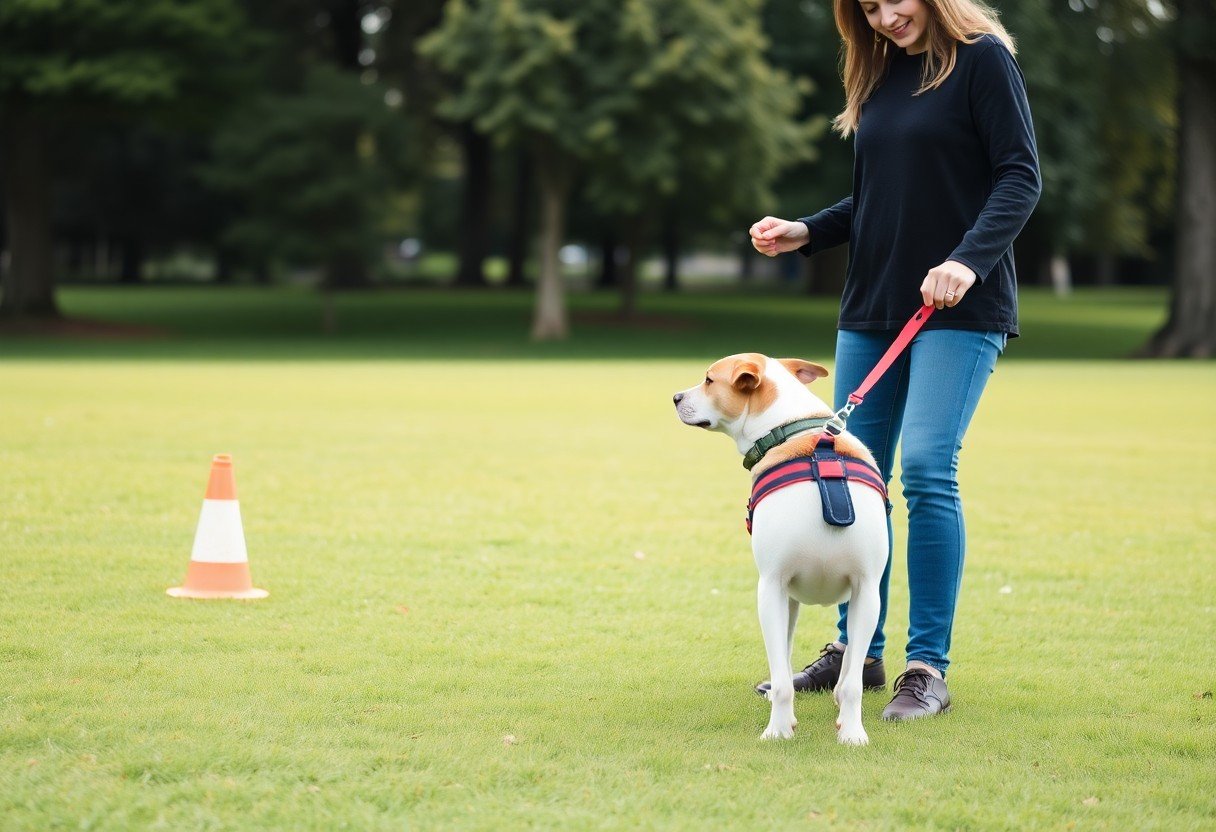
Your training environment should be free from distractions that may heighten your dog’s reactivity. Choose a quiet location where your dog can focus on you without the presence of other animals or overwhelming stimuli. Using a leash and a secure harness during initial training sessions can provide an added layer of safety as your dog learns to manage their reactions.
Setting clear boundaries in your training area is imperative. Avoid spaces where your dog has previously engaged in reactive behaviors, as these locations can trigger anxiety and hinder progress. Instead, opt for places that are new and neutral, allowing your dog to associate training with calmness and positive experiences.
Gathering Necessary Resources and Tools
Before you begin training, gather specific resources that will aid in your dog’s learning process. Items such as high-value treats, clickers, and a sturdy leash are fundamental. Incorporating a variety of toys can also boost engagement and motivation during training sessions. You may also want a training book or access to online resources that detail effective methods for addressing reactivity.
Utilizing a combination of resources can make a significant difference. Invest in training classes led by professional dog trainers experienced in dealing with reactive behaviors, as their guidance can provide additional strategies and accountability. These expert sessions can create a structured environment that enhances your dog’s learning and builds your skill set.
The Step-by-Step Calmness Protocol
| Step | Description |
|---|---|
| Step 1 | Creating a Calm Atmosphere |
| Step 2 | Introducing Desensitization Techniques |
| Step 3 | Implementing Positive Reinforcement |
| Step 4 | Practicing Controlled Exposure |
Step 1: Creating a Calm Atmosphere
Establishing a tranquil environment is your first step in the Calmness Protocol. A calm atmosphere reduces stress for both you and your dog, making it easier to implement training strategies. Ensure your surroundings are free of sudden loud noises and visual distractions. Using calming music or white noise can help create a soothing atmosphere, allowing your dog to settle.
Additionally, consider your energy levels when interacting with your dog. Your body language, tone of voice, and attitude should reflect calmness. If you feel tense or anxious, your dog is likely to pick up on those feelings and mirror them. By maintaining a serene energy, you encourage your pet to adopt the same mindset.
Step 2: Introducing Desensitization Techniques
Desensitization techniques help your dog gradually acclimate to triggers that provoke reactive behavior. Start by identifying the specific stimuli that cause your dog’s reactions, whether it’s other dogs, loud noises, or unfamiliar people. Once you know the triggers, expose your dog to these stimuli at a safe distance where they can remain calm.
Maintain this exposure consistently over time, gradually decreasing the distance to the triggers as your dog shows more comfort. If your dog displays any signs of anxiety, increase the distance again. This method ensures that each exposure is positive and manageable, facilitating progress. Pair these exposures with positive experiences such as treats or praise to reinforce calm behavior.
It’s imperative to be patient during this process. Each dog reacts differently to stimuli, so adapt your approach based on your dog’s comfort level. You want to create an association between the trigger and a peaceful experience, which can significantly reduce their reactive tendencies over time.
Step 3: Implementing Positive Reinforcement
Positive reinforcement is a powerful tool for changing behavior and should be incorporated throughout your training. Each time your dog exhibits calm behavior in the presence of a trigger, reward them immediately with treats, verbal praise, or playtime. This reinforcement encourages your dog to associate good things with what previously caused anxiety.
Be consistent with your rewards. If your dog reacts positively several times in a row while exposed to a trigger, gradually increase the difficulty by introducing distractions. The key is to ensure that your dog feels the rewards are within their reach, thus enhancing their motivation to remain calm during encounters.
Tracking your dog’s progress can help you identify which techniques are effective. Make note of situations where positive reinforcement yields the best results, allowing you to refine your approach further.
Step 4: Practicing Controlled Exposure
Controlled exposure takes the desensitization process a step further. This involves carefully managing different environments, such as walking in locations with varying levels of distractions. This practice allows your dog to face their fears in a structured manner. Start with a quiet area with minimal distractions and gradually introduce scenarios that are more challenging.
Ensure you maintain a safe distance from triggers during these exposures. If your dog’s behavior shifts to being reactive, increase the distance until they can remain calm again. Each successful exposure should culminate in positive reinforcement, strengthening the bond between you and your pet while instilling confidence in your dog’s ability to remain calm.
Tips for Successful Implementation
- Maintain consistency in training sessions.
- Focus on the right timing and frequency of sessions.
- Always observe your dog’s body language.
- Utilize positive reinforcement effectively.
- Ensure a calm and safe environment during training.
Consistency in Training
To achieve noticeable progress, you must remain consistent in your training routine. This involves both the frequency of sessions and the methods you employ. Consistency helps your dog build trust and understand what is expected in various situations. If you provide the same commands, cues, and rewards consistently, your dog will be more likely to grasp the principles you’re teaching them.
Establish a set schedule for your training sessions, aiming for short but regular interactions throughout the week. This predictability aids in reinforcing behaviors and allows your dog to anticipate and respond appropriately. Consistent practice will lead to better results and a more cooperative response from your dog.
Timing and Frequency of Sessions
The effectiveness of your training largely relies on the timing of your interventions. Schedule sessions when your dog is most alert and receptive, which often means avoiding training just after a long walk or meal. Aim for short bursts of around 5 to 10 minutes, as dogs can lose focus quickly, especially when working on challenging behaviors. Frequent, shorter sessions can often lead to greater improvements than less frequent, longer training periods.
Train consistently throughout the week, targeting specific issues as they arise. For example, if a triggering situation occurs, take the opportunity to conduct a training session immediately after the event. This real-time practice reinforces your teaching points and solidifies your dog’s learning.
Observing Your Dog’s Body Language
Being attuned to your dog’s body language is crucial in successful training. Understanding subtle signals, such as ear position, tail movement, and posture, can indicate if your dog is comfortable or stressed during training. If you notice signs of discomfort, such as yawning, lip licking, or turning away, it’s vital to adjust your approach or give your dog a break.
Use these signals to tailor your training sessions effectively. Ensuring your dog remains relaxed and engaged allows for progressively tackling more challenging triggers. This attentive observation serves as a guide to determine when to bring the intensity of your training up or down according to your dog’s current emotional state.
Overcoming Common Challenges
Managing High Energy Levels
High energy levels in reactive dogs can significantly hinder your training efforts. It’s crucial to engage in structured physical exercise that matches your dog’s breed and individual energy needs. Activities like agility training, frisbee, or even long walks can help channel their energy productively. Implementing a daily routine with specific exercise times can create a sense of predictability for your dog, which can also mitigate reactive tendencies by exhausting excess energy.
In addition to physical exercise, consider incorporating mental stimulation into your dog’s day. Puzzle toys, scent work, and obedience training can keep their minds engaged and reduce the urge to react to stimuli. You might find that a well-exercised dog is less likely to react impulsively, leading to more successful training sessions overall.
Dealing with Setbacks and Relapses
Setbacks and relapses are common in the training process of reactive dogs and can be particularly disheartening. When you encounter a setback, it’s vital to reassess your approach and evaluate the triggers that led to the reaction. Keep in mind that progress is rarely linear; patience and consistency are crucial. If your dog reacts to a previous trigger that you thought they had overcome, it’s an opportunity to reinforce your training steps and go back to basics.
Using a gradual exposure strategy may be beneficial in these cases. Return to Step 2 of the Calmness Protocol and reduce the intensity of the trigger, allowing your dog to get accustomed to it without feeling overwhelmed. Just because your dog has had a setback doesn’t mean all progress is lost; think of it as an additional step in their training journey.
When addressing setbacks, maintain a positive attitude and stay committed to your training plan. Engaging in reflection and modification of techniques can be crucial—sometimes simply adjusting your timing or reinforcements can yield significantly better results.
Modifying Techniques for Different Breeds
Each dog breed has unique characteristics that can influence their reactivity, making it crucial to tailor your training techniques accordingly. For example, herding breeds like Border Collies may have high drive and energy, necessitating more frequent engagement with intensive physical and mental activities. In contrast, brachycephalic breeds may react differently due to their more relaxed temperaments but can still exhibit surprising levels of reactivity. Understanding these nuances can enhance your training effectiveness.
Utilizing breed-specific training methodologies can streamline your efforts. For instance, with smaller breeds prone to “small dog syndrome,” incorporating confidence-building exercises like socialization with larger dogs can be beneficial. Acknowledging the unique traits of your dog’s breed will enable you to develop a more tailored training approach.
By focusing on breed traits, you can also predict potential challenges and adjust your approach preemptively. Engaging with breed-specific trainers or groups can provide valuable insights tailored to your dog’s needs, enhancing both your skills and your dog’s training process.
Maintaining Long-Term Results
Regular Practice and Reinforcement
To ensure lasting results in your dog’s training, establish a routine that incorporates regular practice sessions. Even after significant progress, consistently reinforcing the desired behaviors will solidify these changes. Aim for short daily sessions, about 5 to 15 minutes, focusing on specific skills or commands that address your dog’s reactivity triggers. This not only strengthens their learning but also keeps them mentally engaged.
Utilizing positive reinforcement techniques, such as treats or praise, is key. Make sure to celebrate small victories; positive feedback will encourage your dog to repeat the calm behaviors you want to see. Over time, you’ll notice a stronger bond formed through this shared effort, ultimately leading to a more responsive and relaxed dog.
Integrating Socialization Opportunities
Socialization plays a vital role in maintaining your dog’s training success. Arrange controlled encounters with other dogs or people, allowing your dog to practice their new skills in real-world scenarios. Use environments that are less overwhelming at first, gradually increasing the level of distraction as your dog becomes more comfortable. This exposure helps reduce anxiety and build confidence.
Consider joining a group class or a local canine socialization group. Here, your dog can interact in a structured setting while under your guidance. Such experiences can reinforce the calmness protocol and demonstrate that engaging with others can be positive and safe. Tracking your dog’s progress in these social settings can also highlight areas that may need more focus during training sessions.
Consulting a Professional Trainer
If you find that maintaining your dog’s calmness proves particularly challenging, seeking a professional trainer can provide tailored strategies. Trainers can assess your specific situation, offering techniques that align with your dog’s needs and behavior. They may also provide support in challenging scenarios that arise during socialization or day-to-day life.
Working with a trainer can enhance your understanding of dog behavior, ensuring that you are implementing the most effective techniques. This collaboration can yield improved outcomes and reinforce your confidence in handling your dog’s reactivity.
Final Words
Following this step-by-step Calmness Protocol for training reactive dogs, you will find that consistency and patience are key components in fostering a more relaxed and manageable behavior in your pet. By implementing these techniques, you’ll not only improve your dog’s ability to cope with triggers but also create a positive environment that encourages calmness. This structured approach will empower you to gradually desensitize your dog to stimuli that previously caused reactions, ensuring more enjoyable outings and interactions.
Your commitment to this process will be evident in your dog’s progress and overall demeanor. Establishing a routine that incorporates these methods will facilitate trust between you and your dog, enhancing your bond. As you witness the transformations in your dog’s behavior, you’ll gain confidence in your training abilities and a renewed understanding of effective communication with your canine companion.
FAQ
Q: What is the Step-by-Step Calmness Protocol for reactive dogs?
A: The Step-by-Step Calmness Protocol is a structured approach designed to decrease reactivity in dogs. It involves steps such as identifying triggers, creating a calm environment, using desensitization techniques, and rewarding calm behavior gradually.
Q: How do I identify my dog’s triggers in the protocol?
A: To identify your dog’s triggers, observe when they become reactive. Take note of specific situations, sounds, or sights that lead to outbursts. Keep a journal of these occurrences to pinpoint patterns and understand what stimuli you need to address.
Q: How long will it take to see results from this protocol?
A: Results can vary based on the dog’s individual temperament and the consistency of training. Some dogs may show improvement in a few weeks, while others may take several months. Patience and consistency are necessary throughout the process.